3 Tips to Best Combine Weightlifting and Swimming
When building your muscle strength, you should be aware that there are some risks. Many professional trainers suggest combining heavy workout with some non-impact activities, such as stationary biking, walking, step machine, swimming, and water aerobics. 

If you’re looking into improving your daily regimen, your best guess would be to search for a facility that hosts a fully equipped gym with a swimming pool in San Diego or anywhere else in CA. In the meantime, read on to find out the correct way to combine these two activities without putting your health at risk.

How do you combine swimming and weight training?

Some practitioners tend to plan both activities for the same day. However, keep in mind that there are many important differences between them. You cannot expect to do a full body workout and then complete a full swimming routine unless you’re feeling a bit adventurous. In the latter case, make sure you have someone to help you in case anything goes wrong. 

Keep the following 3 points to properly combine weightlifting and swimming:  

  1. Start swimming during your rest days. This will buy you some time until you improve your flexibility and coordination. You will also reduce the risk of injury or fatigue. 
  2. Choose a plan and stick to it. Eventually, after you have included swimming during your rest days, start combining swimming and strength training the same day. This way, you will reduce the risk of fatigue and continue to increase your fitness level.
  3. Build endurance and practice breathing. This is a great way to boost the results and go for faster gains. Breathing lies at the core of true endurance, even if you’re already tired, it can help you push some extra boundaries. 

Should you swim before or after gym?

Exercise enthusiasts practice both options and both come with some benefits and risks. Indeed, it all depends on what outcome you wish to achieve from working out.  For instance, weightlifting appears to be beneficial for swimming and vice versa. Let’s take a look at some reasons how weight training can help you with swimming: 

  • It enhances your overall strength.
  • It helps to reduce swimming injuries.
  • It increases explosive power in the pool.
  • It increases core strength.

As heavy weight lifting can facilitate some aspects of swimming, the latter is also known to be beneficial in muscle recovery after a more comprehensive workout. It’s also a widely used means to rehabilitate injured athletes and keep them fit. 

Keep in mind that if you go swimming first, you’re likely to be too tired for the workout afterward. You are more likely to achieve better results, especially if you’re planning to burn belly fat, if you first go lifting weights and then swimming. If you’re exhausted, make sure that you first cool down and focus on treading water. Some professional athletes refer to it as “vertical swimming”, and it makes a great exercise for your legs and a survival technique when in open water.
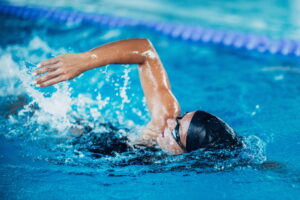
Should you swim before or after gym

Where can I find a fully equipped gym with a swimming pool in San Diego, CA?

When you’re in search of a healthy way to boost your fitness and achieve muscle growth, start by finding a suitable location –  The Plunge. If you live in San Diego and the neighboring communities, you’re probably acquainted with many opportunities we have to offer. You’ll find us just a block away from the pleasant Bonita Cove. Call us today or drop by to book your monthly membership plan. Make the most of what we have to offer!
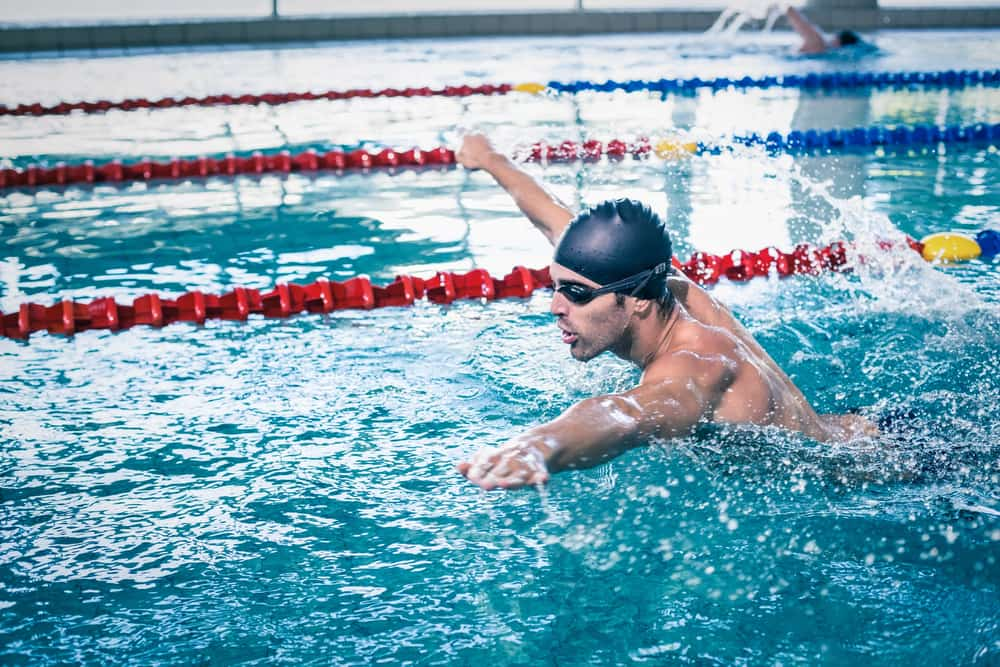
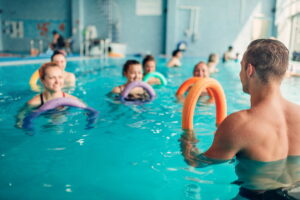
5 Benefits of Swimming After Workout

Are you planning to do some serious workout or hit the pool? Surely, both activities can bring numerous advantages that can greatly boost your health. This is especially the case with swimming. Apart from helping you get in shape faster, it’s also an efficient method for inducing weight loss

Many people combine both workout and swimming to achieve the best results. What’s even better, this has never been easier, as there are gyms with swimming pools in San Diego and beyond that offer a number of opportunities for full body workout and relaxation. Read on to learn how to properly combine your regular exercise with swimming.  

Is it okay to swim after going to the gym?

You’re wondering whether jumping in the pool after a high-intensity workout, weightlifting, or a long run is a good idea? It’s indeed no whim, but a reasonable addition to your daily routine. However, keep in mind that you shouldn’t push yourself too hard. 

Some professionals recommend making a longer break between two activities. This of course depends on the goals you’re trying to achieve. If you’re following a plan to build core strength, then put more emphasis on workout and make daily breaks before jumping in the water. If you’re swimming right after the workout, keep the pace moderate and allow the muscles to recuperate. 

Is swimming good for muscle recovery?

Getting in water after a long exercise or after an injury bears many advantages. Obviously, muscles behave differently in water. When it comes to recovering strength and stamina, It’s actually recommended, especially to athletes that wish to keep their fitness level after getting hurt on the court. 

Let’s take a closer look at some of the benefits swimming can have after a heavy workout: 

1. It refreshes and cools down muscles

Some professionals argue that the main reason for the feeling of fatigue lies in the body heat. When you have already undergone strenuous exercise, cooling down is the main idea: 5 – 10 minutes just treading water should allow your muscles to relax. You will quickly feel refreshed and ready to try out a couple of strokes. Of course, it’s important to take your time.    

2. It releases additional energy 

When cooled down, you’ll find some unexpected packages of energy that would allow you to engage in additional exercises. Your joints and muscles aren’t under strain and by swimming you can still increase your heart rate. Go step by step and try to complete some segments. 

3. It relaxes the lower body after a leg day 

Getting in water after a leg day is ideal, as you can try stretching and other exercises which lead to increased mobility. Swimming is generally considered a low-impact activity, i.e. cardio without the usual strain, so it will give you some additional freedom, with minimum risk of injury. 

4. It makes practicing some skills easier, when tired

As mentioned earlier, if you’re already exhausted from lifting weights, running or calisthenics, you shouldn’t push yourself too far in the water. Use the time to practice treading and utilize the density of the water to work on some muscle groups with greater ease than on dry land. 

5. It makes a logical transition to shower

After you’re finished with swimming, it’s necessary to take a shower. This way, you can protect your cardiovascular health and complete the whole cycle. Don’t forget to eat and drink plenty of water after the shower. Although you might not feel the thirst, you can easily dehydrate while swimming.

Is swimming good for muscle recovery

Where can I find full equipped gyms with swimming pools in San Diego?

You’ve already acknowledged that the combination of swimming and classic workout is for you, but wouldn’t it be a hassle to drive between two different facilities? If you are seeking a place where you can come to reward yourself with healthy exercise, or even if you wish to organize events for your family or friends, then look no further. 

We are located in the vicinity of Ventura Cove Park. The Plunge has been around for many decades, offering a facility with great historical and practical features. You can count on us for swimming courses, daycare services, spa treatment and birthday events. 

Drop by today to try out some of our attractive amenities.

4 Beginner-Friendly Swimming Pool Workouts for Losing Weight

Swimming is a fantastic weight loss exercise. It works your entire body, it’s great for your health, and it’s one of the safest workouts there is. It can even be effectively combined with weightlifting and other gym exercises to deliver many other benefits.

However, simply getting a membership at one of San Diego, CA, gyms with pools won’t help you burn fat if you don’t also have a good training regimen. Luckily, we’re here to help! Read on to learn about the top 4 most effective weight loss swimming exercises anyone can start doing today. 

Can you lose weight doing pool exercises?

Absolutely. The density of water is 800 times that of air, so every time you move your limbs under water, you’re performing a resistance exercise. This naturally boosts your metabolism, helps your muscles recover after more strenuous exercise, and causes you to expend more energy (and therefore burn more fat) than you otherwise would.

Here are 4 time-tested swimming exercises for burning fat:

1. Just swim

If you’re a beginner, simply swimming leisurely laps in the pool will be extremely beneficial for your health and cause you to lose about 500 calories per hour. Swim a few laps, take a break, and then swim a few more. Over time, this will help you build up endurance and enable you to move on to more challenging workouts.

2. The bicycle

Place your elbows on the side of the pool and “pedal” an imaginary bicycle with your legs. This exercise strengthens your core, legs, and shoulders, which in turn causes you to burn more fat.

3. Water jogging

Stand in waist-deep water and start jogging across the pool area. Start with 1-minute intervals, and gradually work your way up to 3-minute intervals. For added resistance and to help tone your arms, grab some pool weights as well.

4. Waist-deep lunges

Stand in waist-high water and lunge with the right foot forward so that your right thigh is parallel to the swimming pool floor, your left knee is bent, and your hands are on your hips. Jump up rapidly and scissor your legs so that you complete the movement with your left leg forward. Do 15-20 repetitions per set.

Can you lose belly fat by swimming?Can you lose weight doing pool exercises?

You totally can! However, it should be noted that regular swimming doesn’t specifically target belly fat. Rather, it burns any excess fat that your body has reserved for energy, regardless of whether this fat is located on your stomach, hips, thighs, or other parts of your body.

Here’s how to work your belly muscles and lose fat while swimming:

  • Keep your core straight while swimming. This will work your belly muscles and help reduce the risk of injury.
  • Do more cardio swimming. Swim 15-20 minutes at a time while keeping your heart rate levels in the fat burning zone. Do this as much as you can.
  • Walk through water. While in the deep part of the pool, tread water as quickly as you can. The water resistance will work against you and strengthen your core muscles.

Where in San Diego, CA, can I find well-equipped gyms with pools?

Are you in need of a quality public swimming pool that offers various amenities and programs such as a fully equipped gym, a swimming school, daycare services, water aerobics classes, and even private party rentals? If so, The Plunge San Diego is the place for you!

Located a short walk from the Mission Beach Park, we have everything you need to get an effective exercise and have a great time while doing it. Visit us today and see for yourself why we have one of the best swimming pools in California.

Should You Combine Your Gym and Swimming Regimens?

As any personal trainer will tell you, swimming is one of the best exercises there is. It strengthens your whole body, tones your muscles, and is beneficial for your respiratory and cardiovascular health, all while being a low-impact exercise with minimal risk of injury. 

Weightlifting is quite a different beast. It targets individual muscle groups and requires specialized equipment and careful planning to achieve the best results. It’s also highly effective when it comes to losing weight and building large, powerful muscles.

So what would happen if you combined these two types of exercise by working out at one of San Diego’s gyms with pools? Is it even necessary to go to a gym if you’re swimming regularly? Keep reading to learn more.

Can you get in shape by just swimming?

It depends on what your goals are. If you simply want to stay healthy and active, swimming alone can be more than enough. However, if you’re looking to build up your strength and get larger muscles, you’ll probably need to incorporate weightlifting into your workout regimen.

Let’s look at the main benefits of these two types of exercise:

Swimming

  • It works your entire body
  • It builds physical endurance
  • It tones your muscles
  • It’s low impact (good for people with arthritis, injuries, etc.)
  • It’s beneficial for heart and lung health
  • It helps burn calories
  • It improves your sleep
  • It helps with muscle recovery
  • It’s safe for children and pregnant women
  • It’s affordable (doesn’t require access to costly equipment)

Gym

  • It builds up physical strength
  • It builds larger muscles
  • It enables you to target specific muscle groups
  • It speeds up your metabolism
  • It improves your self-confidence
  • It improves the quality of your sleep
  • It improves your heart health
  • It causes your body to produce mood-improving endorphins

As you can see, while there’s some overlap between them, both weightlifting and swimming affect your body in different ways. Swimming is primarily a cardio exercise, while weightlifting is a strength exercise. Combining these two types of workout can have extremely beneficial effects on your long-term health, physical looks, and personal happiness.

Is swimming better than going to a gym?

As explained above, weightlifting and swimming differ widely in how they affect a person’s body. Neither of them is better than the other: rather, they should be combined together to achieve the best results.

That being said, there are some groups of people who, due to age, health problems, and other factors may not be able to effectively train at a gym, but who can still reap significant benefits from swimming.

These groups include:

  • People with underlying conditions such as arthritis, cardiovascular disease, and other health issues that make weightlifting difficult, uncomfortable, or dangerous. 
  • Young kids whose bodies are still not mature enough to partake in strenuous exercises such as weight lifting. 
  • Elderly individuals are generally advised to avoid lifting heavy weights unless they have already been doing it for many years.

Where can I find the best San Diego gyms with pools?

Where can I find the best San Diego gyms with pools?

Having both a well-equipped gym and a great swimming pool at a single location is a must if you’re looking to reap the full benefits of a training regimen that includes both swimming and weightlifting. Here at The Plunge San Diego, we offer all of that and more!

Located a couple blocks from the Maruta Gardner Playground, we are a historic swimming pool with a modern aesthetic and a fully retractable roof. In addition to public pool and gym services, we also offer water aerobics classes, poolside daycare, swimming lessons, and more. Visit us today.

Baby Swimming: When and How Can an Infant Learn to Swim?

As any parent who has watched their infant play around in a bathtub or kiddie pool will tell you, babies absolutely love water! So why not take the opportunity to give your child a crucial life skill and have lots of fun in the process by teaching your baby to swim in a safe and pleasant environment?

We have previously touched on the topic of teaching your child to swim and provided some tips on how to make your child’s first swim lessons as comfortable as possible. Now we’ll expand on this topic by telling you what to expect when you enroll your baby in infant swim lessons in San Diego. Read on to learn more. 

How soon can you take a newborn swimming?

Did you know that most newborns will instinctively hold their breath and move their arms and legs in a swimming motion when put in water? This natural ability usually disappears after about six months, but the fact it’s there at all is still remarkable. 

Of course, very young children can’t swim on their own because their bodies still aren’t developed enough to support their own head. However, once they’re about 10 months old, your baby can start getting comfortable around water and having a wonderful time swimming, splashing, and paddling in a pool.

What do I need for baby swimming lessons?

Before you paddle out into the water, make sure your baby has everything they need to enjoy themselves in the water and stay safe while doing so.

Some items to consider include:

  • Goggles. Does your toddler enjoy splashing or diving? If so, goggles are a must!
  • Life jacket. Having an inflatable vest or arm bands is a great way for your child to learn the basics of moving around in water in a safe and fun manner.
  • UV-protective swimsuits are soft and stretchy, and protect your baby’s sensitive skin from harmful ultraviolet rays. 
  • Hat. If you’re going to be at the beach or at an open swimming pool, make sure your child wears a hat to protect their head, face, and eyes. 

What should a baby wear when swimming?

Babies who haven’t been potty trained yet should wear special swim diapers while in the pool. While these diapers aren’t 100% effective at keeping poop and germs out of the water, they can still delay it by a few minutes, which is usually enough time for a parent to take the baby out of the pool and change the dirty diaper before it contaminates the water.

As a general rule, you should:

  • Keep a close eye on your child and immediately take them out of the water if you suspect they may need a bathroom break. 
  • Check your baby’s swim pants or diapers frequently (at least once every 60 minutes), and replace them as needed.
  • Carefully wash your hands after changing the babies’ diapers to prevent germ transmission after coming back into the pool.

What do I need for baby swimming lessons

Where can I book fun and dependable infant swim lessons in San Diego?

Are you looking to enroll in a long-standing swimming school in one of San Diego’s most beautiful neighborhoods? Or perhaps you’re interested in a poolside daycare, fitness programs, or water aerobics classes? Here at The Plunge, we offer all those things and more!

Located just a short walk from the gorgeous Ventura Cove Park, we are a historic swimming pool that offers a comprehensive range of public pool services. Come visit us today, or give us a call if you’d like to learn more about who we are and what we offer!

What’s the Best Way to Learn to Swim?

In the world of physical exercise, swimming is king. In addition to combining an aerobic workout with strength building in your legs, arms, and core, the water makes you buoyant and removes all shock to your joints. Everyone can benefit from being a swimmer regardless of their age or fitness level.

So what’s the best way to become a proficient swimmer? Can you learn to swim on your own, or do you have to look for swim lessons near you in San Diego? How long does it take to learn to swim if you’ve never swam before?

In previous articles, we answered some common questions about how to teach your baby to swim and gave you some pointers on how to prepare your child for their first swim lesson. Now we’ll address some concerns new swimmers often have. Keep reading to learn more. 

Can you teach yourself to swim?

The possibility is there, but we don’t recommend it. In addition to making the learning process significantly more difficult and stressful, attempting to do it on your own can result in various unnecessary problems down the road.

Problems such as:

Developing bad habits

To become a strong swimmer, you need to know how to properly move and breathe in water. All too often, self-taught swimmers end up learning to “doggy paddle” or some other basic style that, while effective at keeping them afloat, is far from optimal.

An experienced teacher can show you the right techniques and prevent you from forming bad habits. This will go a long way toward helping you become a strong swimmer or a surfer, and make the whole process a lot less stressful.

It can take a long time

For many non-swimmers, getting over the discomfort of being in water can be one of the biggest hurdles when it comes to learning to swim. This can greatly (and unnecessarily) increase how much time it takes for them to become competent swimmers.

It can be dangerous

Learning to swim on your own can be risky. Without someone to guide them and help them out, non-swimmers are more likely to panic, which can result in drowning hazards for themselves and other people who come to their aid.

How many lessons does it take to learn to swim?

It depends on your age. Adults who learn at an average pace and aren’t afraid of water typically take about 20 hours over the course of a few months to master the basics, provided that they take regular swim lessons on at least a weekly basis. Of course, the more often you swim, the faster you’ll master it.

Kids typically take longer, depending on age:

  • Babies who start learning to swim when they’re 10-18 months old take up to 2 years to learn to swim on their own.
  • Children between 18 months and 3 years normally take about a year to learn to swim without help.
  • Small kids 3 years old or older usually become independent swimmers within 6-12 months.

How many lessons does it take to learn to swim

Where can I enlist in tried-and-true swim lessons near me in San Diego?

The safest and most efficient way to learn to swim is to enroll at an established swimming school in San Diego. That’s where The Plunge comes in! Our swimming lessons are available to students of all ages and led by highly experienced and friendly teachers.

Located right next to the Mission Beach Boardwalk, we’re a historic pool that offers a broad range of poolside services, including swim lessons, daycare, water aerobics classes, public pool services, private party rentals, and more. Get in touch with us today!

4 Simple Tips for Preparing Your Child for Swimming Lessons

It’s completely normal for young kids to be nervous about learning to swim. Even during the earliest stages when the lessons include both the parent and the child, choosing the right toddler swim lessons near you is crucial in order to help your toddler feel comfortable in water

Luckily, there are quite a few steps you can take to help your child get used to swimming in a safe and fun environment. Read on to learn the top 4 things you can do to prepare your child for their swimming lessons. 

How do I prepare my toddler for swimming lessons?

It goes without saying that you should first make sure your child is old enough to start swimming. In most cases, babies can take their first swimming lessons as early as 10 months old. 

Here are 4 time-tested tips to prepare your toddler for swim lessons:

1. Describe the lessons to them beforehand

Give them a good idea of what to expect and show them videos of kids having fun in a pool. This will help them get accustomed to the idea of going into water and possibly even make them eager to do so. 

2. Visit the pool

Bring your toddler to the swimming pool where the lessons will take place. Let them see other kids taking swim lessons. Your child will naturally pick up on the friendly manner of the instructors and want to be a part of the fun activity.

3. Meet the instructor

Introduce your toddler to the instructor prior to the lessons. Experienced instructors know exactly how to make kids feel comfortable and leave a positive first impression on them. This will ensure that your toddler is greeted by a friendly, familiar face when they show up for their first lesson.

4. Don’t forget the bathtub

If your kid is a toddler, you can replicate the swimming pool experience for them at home by filling up the bathtub and letting them practice submerging their head, blowing bubbles, and generally moving around underwater. Don’t forget to have them wear their swimsuit or swim trunks while they’re in the tub. 

How long should swim lessons last?

Generally, the younger a child is, the shorter their swim lessons tend to be. That’s because the purpose of these early lessons is to get a child used to water in a safe and positive environment. It’s only after they’ve developed a little that they can start truly learning how to keep themselves safe and move around in water on their own.

Consider the following:

  • Swim lessons for infants tend to last about half an hour and consist of fun activities that teach them simple techniques like floating, splashing, and kicking.
  • Classes for kids aged 30-45 usually last 30-45 minutes and teach children various swimming techniques.

Lessons for 6-9 year olds tend to be up to an hour long. They include complex techniques and advanced water safety skills. 

How long should swim lessons last

Where can I find dependable toddler swim lessons near me in San Diego?

Swimming is a lifelong skill that not only keeps a person safe in water, but also helps them stay healthy, gives them additional opportunities to socialize, and may even cause them to develop an interest in water-based sports such as surfing, water polo, water aerobics, and more. 

Here at The Plunge, we’d like to make sure your child learns to swim in a fun and controlled environment by providing them with high-quality swim lessons in San Diego. Located in Mission Beach, we’re a historical pool that offers visitors the full range of public pool services, including swim lessons, daycare, fitness programs, party rentals and more. Call us today!

When Can Babies Swim and What’s the Best Way to Teach Them?

Getting your child accustomed to water from an early age is one of the smartest things you can do as a parent. On top of being very healthy for your kid, swimming is also extremely fun and runs less risk of injury than land-based exercise. Early swim lessons may even cause your child to develop an interest in water-based sports as they get older. 

In the following article, we’ll answer a few common questions parents have about toddler swim lessons in San Diego, and give you some idea of what to expect if you decide to teach your young child to swim. Keep reading to learn more.

Is it safe to teach a baby to swim?

It depends on how old the baby is and how you go about teaching them to swim. As long as your child isn’t too young, learning to swim is not only safe, it’s also highly beneficial for your baby’s health and development.

Here are a few benefits of taking babies swimming:

  • Swimming is a gentle exercise that works the entire body and encourages your child’s heart, lung, and muscle development.
  • Children who begin swimming early in life tend to have better balance, as well as superior grasping and catching skills.
  • Swimming also encourages mental development in small children. This often translates into stronger language, counting, and math skills in school.
  • Baby swimming lessons establish healthy habits early on in life, especially if other family members are involved.

What is the best age to start swimming lessons?

Young children can take their first swimming lessons as early as 10 months old. However, this needs to be done in a safe and planned manner, preferably by trained swimming teachers who have extensive experience working with toddlers.

Ideally, your toddler should learn to swim in a group swimming lesson that emphasizes play and positivity, all while teaching essential water safety skills as they go along. It goes without saying that these swimming lessons should take place in a shallow pool and under strict supervision of an adult guardian.

How long does it take for a two year old to learn to swim?

This can vary greatly depending on the child’s age, how long and frequent the swim lessons are, whether the kid has to overcome a fear of water, and how naturally talented and eager to learn they are.

Here’s what to expect:

  • Babies who start their swim lessons when they’re 10-18 months old usually take between 1.5 to 2 years to learn to swim independently. 
  • Children who begin their swimming lessons when they’re between 18 months and 3 years old usually take about a year to learn how to be safe in water.
  • Kids who are 3 years old typically take around 6 months to a year to learn to swim. 

What is the best age to start swimming lessons

Who provides fun and reliable toddler swim lessons in San Diego?

The safest and most effective way to get a small child used to water and teach them to swim is to enlist them at a reputable swimming school. Here at The Plunge, San Diego, we offer high-quality swimming lessons for children who are 10 months old or older.

Our Swim Monkey swim lesson program contains multiple levels, including:

  • Plunge Babies parent-and-child lessons for kids aged 10-36 months old
  • Level 1 Bush Babies that promote comfort in water for 3-5 year olds
  • Level 2 Tamarins that teaches swimming to children 5-7 years old, and more.

In addition to swim lessons, we also offer public pool services, water aerobics classes, poolside daycare camps, fitness events, private party rentals, and more. Give us a call today, or come visit us in person and spend a memorable afternoon at Mission Beach’s finest public pool.

Top 4 Most Effective Water Aerobics Exercises

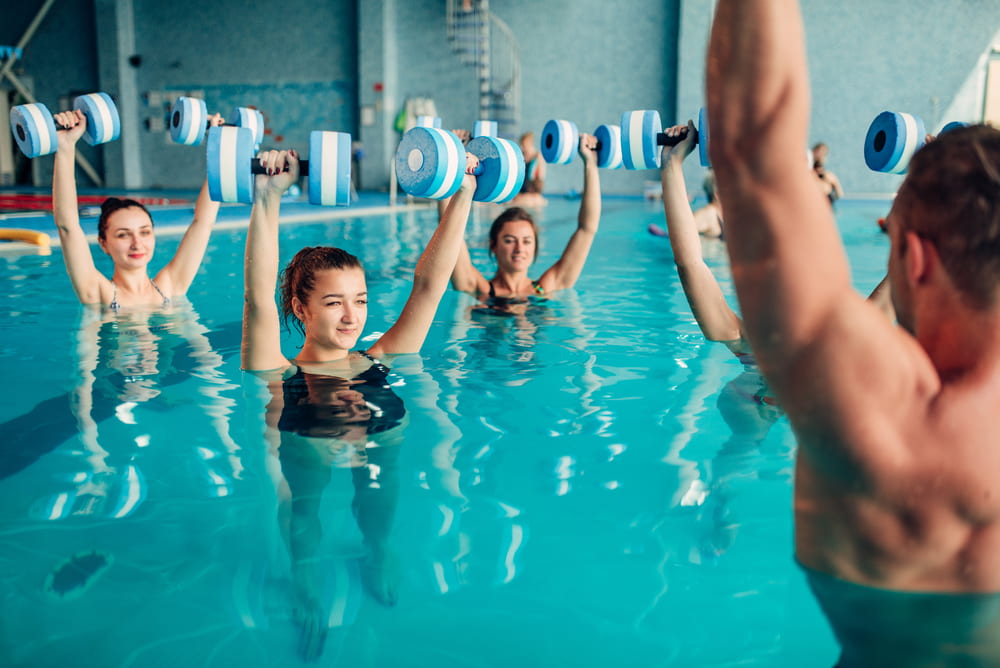
Aqua aerobics is one of the most rapidly growing trends in the world of healthy living, and it’s easy to see why. Water aerobics can be practiced by anyone regardless of age, require minimal equipment, and carry virtually zero risk of injury. 

Whether you’re just starting out in aqua aerobics, or your water aerobics exercises have been a regular part of your life in San Diego for a while now, there will eventually come a time when beginner exercises are no longer challenging enough for you. When this occurs, you’ll need to look for exercises that are better suited for your current level. 

In previous articles, we provided a quick rundown of what water aerobics are and gave you some advice on how to find a great aqua aerobics trainer. Now we’ll help you take your watery workouts to the next level by giving you a list of 4 highly effective water aerobics exercises for you to try out. Read on!

What exercises do you do in water aerobics?

If you’re dealing with any chronic conditions or diseases that are exacerbated by impact or cause you to experience full body pain, such as fibromyalgia, arthritis, or partial paralysis, make sure to consult with your doctor before starting any exercise routine. 

Once your doctor has cleared you and you’ve found a great water aerobics class, it’s time to find the right exercises that fit your needs. 

Here are 4 highly effective aqua aerobics exercises for you to try out:

Kickboxing

Go into water that’s deep enough to cover your arms, then start kicking and punching while alternating legs and arms. The faster you do this, the more effective the workout will be and the more elevated your heart rate will get.

Moguls

This popular water aerobics exercise is performed by standing in a pool or another body of water with your feet close together, and then jumping to one side while simultaneously jumping forward. Then you jump in the opposite direction while also moving forward. 

The goal is to mimic the motion of a skier on a downhill slide. This exercise provides numerous cardio benefits while also working the leg muscles. Just keep in mind that moguls require exceptional balance, and can be difficult to pull off at first.

Ball exercises

This simple exercise strengthens and tones your arms by having you stand with your feet apart and extending your arms forward while holding a 6-12 inch ball. Push the ball underwater and bring it up again in a figure eight pattern. 

Jogging or walking

Jogging or walking fast are one of the most effective ways to get fit on land, so it’s no surprise that it works just as well in water. However, unlike doing it on land, water jogging or walking puts little to no impact on muscles and joints. This makes it an excellent choice for elderly individuals or injured athletes who want to stay in shape during recovery.

This exercise can be done either in shallow water, or in deeper water with the aid of a buoyancy belt. For an extra challenge, you can also do it in deep water without a buoyancy belt. 

Where can I learn effective water aerobics exercises in San Diego?

Where can I learn effective water aerobics exercises in San Diego

As with all workouts, having the right trainer in your corner can help motivate you and make your aqua aerobics classes significantly more effective. For this reason, the water aerobics classes at The Plunge are led by the friendliest and most knowledgeable trainers in San Diego.

We’re a historical public pool located right next to Mission Beach that offers water aquatics classes for people of all ages, top-of-the-line daycare services, comprehensive swimming programs, and even private party hosting. Visit us today!

How to Get a Great Water Aerobics Workout in Just 30 Minutes

Whether you’re looking for a low-impact exercise that’s easy on your muscles and joints, or you want to challenge yourself with an intense workout, aqua aerobics are an excellent way to get both cardio and strength training in a single session.

Versatility is one of the main advantages of aqua aerobics. Since the intensity of your water aerobics workout is determined by how hard you press against the water resistance, you can seamlessly adjust your water-based exercises in San Diego to fit your current fitness level and experience. 

We previously wrote a short guide for newcomers to aqua aerobics and gave you a list of essential questions to ask your water aerobics instructor. Now we’ll help you benefit more from the time you spend exercising by giving you a highly effective 30-minute water aerobics workout. Read on to learn more!

How do I get the most out of my water aerobics?

If you’re new to the world of aqua aerobics, it’s best to join an existing class led by a seasoned trainer. This boosts the effectiveness of your workout, ensures your safety while you’re in the pool, and makes the entire experience more fun because it’s done in a group. 

Here’s an excellent 30-minute aqua aerobics workout:

1. Warmup

Get your muscles and joints ready for the workout by doing high knees in the pool for 3 minutes or walking fast for 5. Afterward, perform 3 sets of each move. Remember to rest for 15 seconds between sets.

2. Tricep dips

Grab the gutter or put your palms flat on the edge of the pool. Then, straighten your arms to press yourself up as high as you can and hold it there for 5-10 seconds. Raise and lower yourself like that 10-20 times without touching the bottom with your feet.

3. Arm curls

Stand with your feet wide so that your shoulders are partially underwater. Straighten your arms to each side but keep them slightly bent at the elbows. Tighten your triceps and biceps with each curl, and move faster to make the exercise as effective as possible. 

4. Leg curls

Stand with your feet together, grab the gutter or the edge of the pool for balance with one hand, and start doing butt kicks for 20 reps per set. You’ll be surprised by how intense this exercise can be.

5. Jumps

Keep your feet a little wider apart than the width of your shoulders, squat until your shoulders are submerged, extend your arms out for balance, and jump straight up while simultaneously lowering your arms to your sides. 20 reps per set.

6. Leg lifts

Sit on the stairs or the edge of the pool, extend your legs, lean back a little, and raise and lower your legs up and down from the water. 10-20 reps per set.

7. Scissors

Lean against the pool wall, extend your arms, and grab the edges of the swimming pool. Straighten your legs and keep them parallel to the bottom of the pool. Then, spread your legs as far as you can for 20 reps. 

Where can I get a great water aerobics workout in San Diego?

Where can I get a great water aerobics workout in San Diego

Located right next to the Mission Beach Boardwalk, The Plunge is one of the oldest and most beloved public pools in the City of San Diego. In addition to providing top-notch aqua aerobics classes for visitors of all ages, we also offer public pool services, swimming lessons, private party rentals, poolside daycare, and more.

We’re especially proud of our diverse swimming environment, our flexible and competitive pricing system, and our highly personable and attentive staff. Get in touch with us today. We can’t wait to meet you!

online waiver waiver app electronic waiver digital waiver