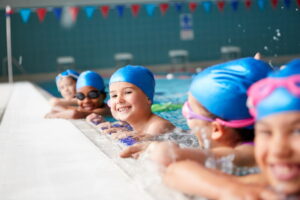
5 Safety Tips for Hosting a Kids Pool Party
Poolside parties are one of the most awesome ways to celebrate a birthday. This is equally true for teenagers and toddlers, as everyone loves to have an opportunity to have a good swim, and then to blow candles. 

It also doesn’t require a lot of preparation, but there are some things you shouldn’t take for granted when booking a kids pool party rental in San Diego. Here we’ll take a look at some precautionary measures to keep your kiddie bash stress-free

What are some safety tips for keeping kids safe at a pool party?

What are some safety tips for keeping kids safe at a pool party

When you have taken everything into account, ensured that everyone brings necessary things to the party, and considered ideas to make the party as fun as possible, it’s time to consider safety. Here are 5 tips to keep in mind when organizing a poolside bash: 

1. Basic safety rules 

Set some ground safety rules, and pay special attention to non-swimmers and young children. These rules should apply to everyone, but kids that are yet to learn to swim should be given additional space and attention. You don’t want drama at your kids’ birthday party, so set some rules at the very beginning, for instance: 

  • There’s no rough play allowed.
  • Keep away from the pool drain.
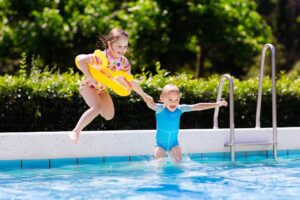
  • No diving or jumping into the pool.
  • There’s no running around the pool.
  • There’s no splashing, as this can be potentially dangerous.
  • Ask to use the bathroom, not the pool.
  • No food brawl around the pool.
  • No entering the pool with your shoes and clothes on.
  • No horseplay, dunking, or something similar, etc.   

You can also include some boundaries, for example, that they shouldn’t use some parts of the pool, or enter certain areas. 

2. Supervise

Adult supervision is an absolute must if you want to make sure that your toddler’s poolside birthday party remains enjoyable. Never leave your kids alone, or at least make sure that you take turns with your spouse, and other family members. 

3. Assign a pool keeper

Designate someone to watch the water. This can be one of the older kids, a teen, or a guest. This is an assignment that can be passed every 15 – 30 minutes. This way, you can be completely sure that everything is in order. 

4. Check kids for their swimming skills

Be aware of the swimming ability of children present. You can ask them to enter the water and see whether they can tread it. You’ll also see whether they’re afraid to swim freely, or enter a deeper side of the pool, etc. Make sure that non-swimmers and swimmers wear floating equipment, inflatables, and anything else that will keep them afloat if they accidentally fall into deeper water.
Hire a lifeguard or swimming instructor

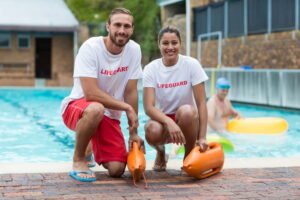
5.   Hire a lifeguard or swimming instructor

Kids just want to have fun at a party, and having a professional entertainer is a great addition. Even better, you can check if there’s a lifeguard that you can hire for the occasion. A lifeguard or a swimming instructor can demonstrate some great techniques, make your kids interested in swimming and diving, and keep your worries at bay. 

Where can I find a kids pool party rental in San Diego and surrounding areas? 

When you’re looking for a safe, enclosed facility for the next birthday bash for your baby, toddler, or teenager, the Plunge San Diego is at your service. With our friendly staff, a number of fun amenities, swim classes, and membership programs, you can be sure to find something you need. 

We’re located just a couple of minutes drive from Robb Athletic Field within Mission Bay, San Diego. Call us today to check our packages and ensure a memorable experience for you and your loved ones!
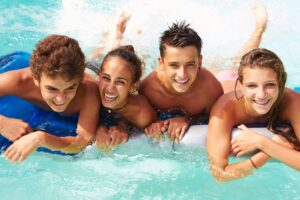
5 Tips for a Fun Teen Poolside Party

Are you looking for ways to make your teen pool party sensational? If you’re a parent or a caregiver, you know how important it is to make them feel independent, empowered, and entertained.  

Teenagers love birthday parties at pools because they provide a fun and exciting way to cool off during the summer school break, or throughout the year, if you live in San Diego or elsewhere in California. They can grab some friends, put on their swimsuits, and get ready for some fun in the sun. Let’s discuss some activities that will make their bash a blast!

How do teens make pool parties fun?  

There’s a handful of tips to keep in mind in order to make a group of teenagers have loads of fun at the local swimming pool. Consider the following five points, but don’t forget to include some safety rules, so that everyone will have fun without worries. 

What are some fun pool games for teens

Pick a fun playlist

Music is a big part of any celebration, and it’s no different at teen pool get-togethers. Be sure to have a variety of tunes queued up to keep the energy level high. From pop hits to today’s latest hip-hop tracks, there’s something for everyone to enjoy. If you’re feeling really festive, break out some classic poolside party tunes like “Y.M.C.A.” or the “Macarena”. Of course, if this is just too dated for the group, they can play their favorite tunes, so let them pick their own playlist. 

Hit the water

Of course, swimming and diving are always a blast. Make sure the pool is filled with enough cool water to keep everyone happy and set up some fun obstacles like diving boards or water slides to make things more interesting.

Everyone has a role to play

Letting teens take turns being in charge is a great way to keep teens entertained. This could mean setting up the music, choosing the games to play, or coming up with new ideas for pool party fun. It’s a great way for them to feel empowered and responsible, and it gives them something to look forward to.

Provide snacks and drinks

Having food and drinks on hand is always a good idea at any party. Make sure to have plenty of snacks and drinks that both teens and adults will enjoy. This could be anything from chips and dip to hamburgers and hot dogs.

Pick some fun games

Try to keep things fun by playing games. This can be anything from staple games like Marco Polo, hydro lacrosse, water balloon fights, and underwater limbo. To keep things interesting, you can set a clear timetable with different activities. 

For example, you can start with some poolside activities, and proceed to group people into teams to compete. After that, you can try out some quizzes or card games outside the pool, while you warm up.

What are some fun pool games for teens?

How do teens make pool parties fun

Here’s a list of some of the most popular games that can be played in and around water, that can be equally enjoyable for teens, as well as younger children, and adults:

  1. Marco Polo – this is a great game because  it can be played with any number of people
  2. Diving for coins – this is a fun game that tests your agility and swimming skills
  3. Pool noodle races – these are always a hit, especially when you have multiple lanes set up
  4. Pool volleyball – this is perfect for teens who want some competitive action
  5. Giant Jenga – if you want a game that is both challenging and entertaining, Jenga is a great option. 
  6. What time is it, Mr. Fox – although this might seem like an activity for younger kids, teens will enjoy it as well
  7. Water balloon toss – perfect for hot days when you need to cool off quickly
  8. Water slide – this is an evergreen hit among children of all ages and adults alike, because it’s one of the most thrilling ways to enter the water
  9. Diving board  –  another classic pool party favorite that is always a hit with teens and younger kids alike. 

With these activities in mind, your teen pool party is sure to be a hit. With an appropriate playlist, entertaining list of amenities and games, you can be sure that everyone is going to have fun.

Where can I find a stylish birthday party pool rental in San Diego, CA and the vicinity? 

Whether you’re organizing an event for your group of teenagers, a team-building event for your coworkers, or throwing a party for your toddler and some family members, the Plunge has you covered. Our historical facility is located just a couple of miles away from Old Town San Diego State Historic Park, so you can’t miss us. 

Being a household name for almost a century, we have all the amenities within our facility that you’d need for your event. We also offer a variety of membership programs, a fitness center, a variety of packages, swimming lessons, daycare service, and many more. Don’t hesitate to contact us today to find out more and book your appointment!

Pros and Cons of Open Water Swimming

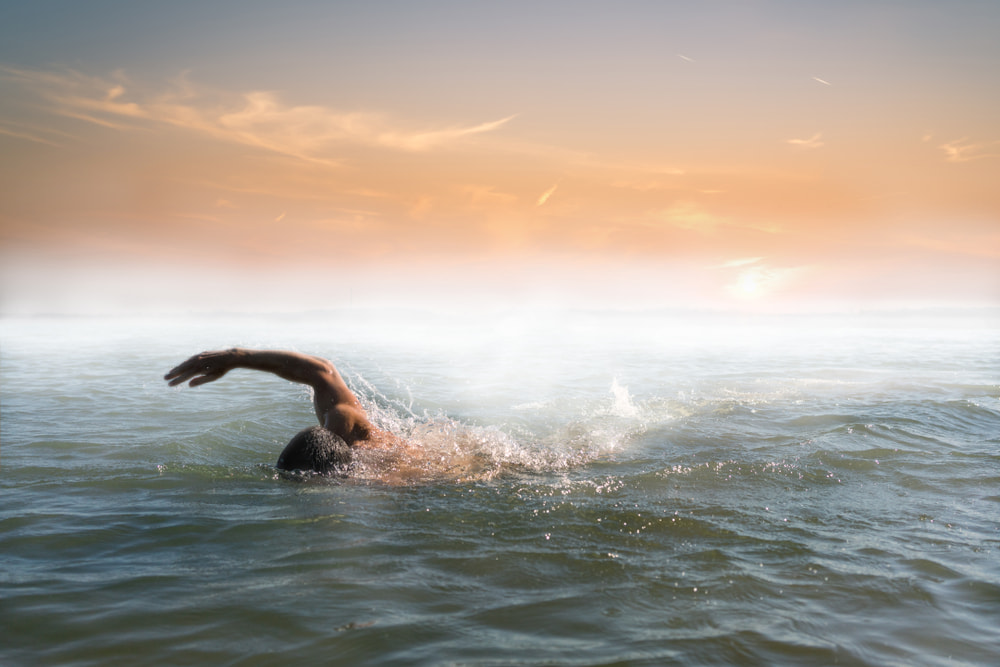
Have you considered trying out open water swimming? It’s indeed one of the most exciting challenges for professional athletes and swimming enthusiasts as well. However, it requires meticulous preparation and serious commitment. 

What are the best and safest ways to practice open air swimming? Many professionals do their best to first prepare for open swimming at a pool in San Diego. What are the advantages and disadvantages of open water swimming? Let’s find out!

What are the health benefits of open water swimming?

There are many health benefits of open water swimming. This activity is not only great exercise, it can also help improve your physical health in general. Let’s find out more about this:

Physical strength

Open water swimming is a great workout. The constant movement of your body through the water keeps your muscles working hard, thus boosting your general muscle endurance. Swimming in open water also requires you to use your core muscles to stay balanced and afloat, which is great for your abs. In addition, open water swimming can help increase flexibility in many areas of the body since you are constantly moving through different positions.

Mental health

Threading open water also has a positive impact on mental health by relieving stress and anxiety. The repetitive movements of swimming actually have a calming effect on the mind and body. This can be a great way to improve your mental health if you struggle with anxiety or stress. It also improves the quality of sleep and rest, which can also positively affect your mental health. 

Immune system

Studies have shown that there are some specific chemical reactions that happen in the body during open water swimming that actually help boost our bodies’ natural immune systems. These reactions that occur in the body involve a sudden rush of white blood cells that normally cause inflammation. This process actually helps fight off diseases like arthritis.

Skin health

Cold water has an exfoliating effect on the skin, making it appear smoother. Additionally, the cold promotes circulation, which flushes out cellulite and eliminates impurities. Moreover,  in cold water, blood will rush to the skin, giving it a significant glowy look. This is yet another, aesthetic reason to swim in open water. 

What are the potential disadvantages of open water swimming? 

What are the health benefits of open water swimming

Although there are obvious reasons why you should try swimming in open water, you should approach this with necessary precaution measures. There are at least three disadvantages that you should consider before you try out swimming in open waters:

  • There’s a risk of drowning if you aren’t well prepared. It can result from fatigue, cramps, hypothermia, and even sunstroke. To be on the safe side, considerable exercise in the aquatic environment is a must. 
  • There’s a risk of injuries. This can be caused by rough underwater objects, other people in the water during a competition, or underwater currents. 
  • There’s a risk of changing weather conditions. Inclement weather, high wind, storm clouds: all of these are clear signs that you should get out of the water as soon as possible!

Before embarking on an open water swim, be sure to consider all of the associated risks and take steps to minimize them: 

  Where can I fully prepare for open swimming in a pool in San Diego, CA?

Where can I fully prepare for open swimming in a pool in San Diego, CA

When you live in San Diego and the adjacent communities, you’re probably familiar with the Plunge. Our historic facility is located within the Mission Bay resort area and have been hosting professionals and amateur swimmers for decades. 

When your goal is to achieve the best athletic results in open water, or in any other sport, we can help you out. Here you’ll find a full equipped gym, sauna, swimming pool, and many other amenities that you can get great use of. 

To check out our membership options and see everything we have to offer, drop by us today!

How to Build Strength for Swimming in the Ocean

There are many people that want to experience the thrill of open water swimming. However, this requires a refined set of skills, as well as great physical and mental strength. Fortunately, there’s a way to achieve your goal through regular training while following safety guidelines.  

Besides, when you consider potential obstacles, open water swimming can bring many health benefits. Of course, if you live in San Diego you may find time to practice and prepare at a nearby open swimming pool. If you wish to uncover some professional secrets of this sport, continue reading!

How to Build Strength for Swimming in the Ocean

How do you train open water swimming?  

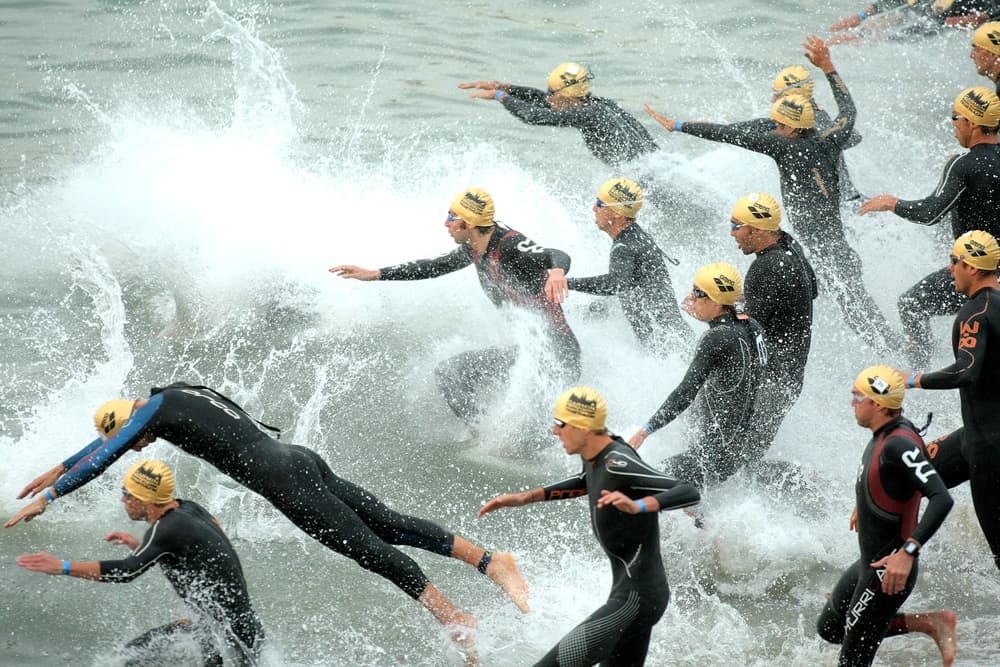
Whether you’re preparing for a triathlon race, or you just want to break a personal record, to properly train open water swimming, professionals recommend the following three tips: 

1. Swim with eyes closed

When you swim without opening your eyes, you can easily lose sight of where you’re going. This is especially true in an environment where you have no actual boundaries between lanes. However, practice makes perfect, and professionals learn how to position their body in order to swim straight. 

2. Sighting practice

Sighting is one of the essential skills for swimming in open water, to properly and timely recognize obstacles in your path. For this purpose, it’s important that you have a set of sturdy swimming goggles and to know the right technique. 

Professionals recommend a regimen called Tarzan drill or polo swim drill. This drill is vital as it boosts the trapezius muscles, which facilitate efficient sighting. However, it’s quite demanding, so if you’re a novice, you should limit it to 100-200 yards. 

There are three tips to consider before trying out the polo drill: 

  • You should keep your head above water. Try not to turn your head side to side.
  • Prevent your hips from sinking, by kicking a bit faster than normal 
  • Try to maintain a normal rotation during the drill. 

3.Get used to physical contact

When you’re practicing with a team or a partner, it’s useful to ask them to touch your feet or to elbow you. When you’re used to this feeling, you’ll be less distracted and more relaxed when you swim in a group of competitors. Inexperienced athletes tend to react aggressively in such situations, and this is what you want to avoid. Remember, kicking harder in the water won’t make you faster. 

How do you build endurance for open water swimming

How do you build endurance for open water swimming?

When you plan to swim in the ocean, endurance and stamina are your best friend. In fact, this is a matter of your own personal safety in open water. Of course, this doesn’t come naturally and it’s vital to take small steps first. For this reason, professionals recommend that you fully prepare for the open aquatic environment by practicing in a safe swimming pool, with necessary supervision.

Your long endurance swim training can be broken into four stages:  

1. Warm-up

Your warm-up should include low-intensity drills, relaxed swimming, and some alternate strokes. Also, don’t forget to establish a comfortable breathing rhythm. This is necessary to calm you down and prepare your body for further training. Since doing this before a race isn’t alwasy possible, try some dry-land warm-up activities. 

2. Straight swimming & navigation

This drill involves practicing swimming straight in an environment without lanes, after 5 – 15 minutes of warm-up. While you’re swimming in a steady rhythm, try to practice sighting and keep your direction. The goal should be to swim efficiently, relaxed, without fatigue. 

3. Strength & power workout

If your goal is to achieve great speed and to lift your head high above the water, this is the part where you should focus. After 5 – 15 minutes of efficient warm-up, get into 3 – 10 rounds of 4 polo strokes, combine it with 10 strokes of normal, mid-intensity swimming. Don’t forget to relax between sets – threat some water to prevent burnout! 

4. Speed workout

If you aim at increasing your swimming speed and stroke rate, you should include a polo drill as described above (1-3 rounds of 4 polo stokes, combined with 10 strokes of normal swimming). However, for added speed you should have 3 – 10 rounds of ten sprint strokes. Finally, you should have 10 strokes of relaxed swimming. After 1 – 2 rounds you can alter from polo to race pace swimming. Make sure to practice this in shorter sections for best results. 

Where can I find San Diego’s best-known open swimming pool? 

To properly prepare for your first open water swim, it’s best to start practicing your polo strokes at a local pool. When you live in San Diego, the Plunge is your safest bet. Our facility has been a household name for over nine decades, and we’ve helped many athletes to achieve their goals. 

Besides our famous pool, we have everything you need to boost your physical fitness, improve your athletic performance, and lead a healthier lifestyle. We’re located just a couple of blocks away from Ocean Beach, so you won’t miss us. 

If you wish to learn more about our membership programs and swimming lessons, don’t hesitate to give us a call!

6 Safety Tips for Swimming in the Ocean

The Sea: while it’s magnificent and beautiful, with it’s never-ending diversity of life, it’s unpredictable and frightening at the same time. This is especially true for swimmers that lack the necessary training and experience. Everyone must follow certain guidelines in order to survive changing conditions

Professional swimmers in San Diego have various opportunities for an open swim in the ocean, but they also need to be geared up. Are you wondering if you’re up to such a challenge? Read on for some professional advice. 

Is open water swimming easier than pool swimming?  

Simply put, no. When you’re swimming in a pool, you’re in a confined and supervised space. However, the main difference lies in the temperature. While pools are regulated in this respect, you can expect sudden temperature shifts in open seas, rivers and lakes. 

You should also include other factors that make swimming difficult, like currents, wind, changing tides, visibility, and so on. When you race a mile in the ocean, it will feel like two miles in a pool. All these factors can double up your effort, so it’s necessary to be physically fit and .

How do I prepare for my first open water swim?

Is open water swimming easier than pool swimming

Although open-air swimming poses many challenges, when done property, it’s an authentic, fulfilling experience. The key liest in a thorough preparation. In other words, you need to do your homework and make sure you’re ready to take that leap. Here are a couple of tips you should stick to: 

  • Make sure you eat before hitting the water. However, be careful with the choice of food, as you don’t want to feel heavy. 
  • Work on your technique at the local swimming pool. Focus on building your strength and endurance, so you can easily complete a couple of miles. Try to conquer your target distance in the pool several times before 
  • Obtain the necessary equipment. You would need gear to keep you floating in the case that you’re too exhausted to tread water. Also, make sure you have an adequate swim cap and goggles. 
  • Map the area where you will be swimming. Check currents, confluences, underwater caves, nearby landfills, cliffs etc. 
  • Divide your swim into blocks to prevent feeling discouraged. Take your time to rest on your back and respect the changing conditions. 
  • Stay calm. Being on the edge of your nerves can cause muscle spasms, which can be very unpleasant, lead to additional effort, and put you in danger. Make sure that you practice correct breathing techniques. 

Do I need a wetsuit for open water swimming?

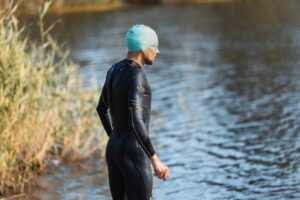
Although it’s not an absolute necessity, a wetsuit can be a lifesaver. This is especially true for swimming in colder waters. It can spell the difference between achieving your goal and needing help from the rescue team. Although you’ll not feel the warmth initially, it helps to keep your body temperature stable while you swim. 

To keep you additionally protected and comfortable, you can also include other items to your swimming kit: 

  • Cold water gloves and socks
  • Neoprene hat
  • Tow float
  • Water-resistant GPS watch

The best place in San Diego, CA to prepare for an open swim challenge

Do I need a wetsuit for open water swimming

When you live in San Diego, you have a wide range of beaches to choose from. You might be in a mood to dive into La Jolla Cove, or to enjoy a day at Marine Street Beach. However, when you need to prepare for a triathlon or to beat your personal record, you should visit The Plunge.

We are located in the Mission Bay area, and have been a household name for many decades. Our renovated historic facility houses a number of amenities that suit professionals and our guests alike. Beside our pool, you can also use our fitness center and schedule swimming lessons for your kids. Check our membership options and call us today to see what we can offer!

Guide for Safe Open Water Swimming

Professional athletes and enthusiasts are always interested in pushing boundaries in oceans and seas. Hitting the water can be exciting, but also fraught with risks. So, whether you’re at the beach or a pool, precautionary measures are key to keep you afloat

If your plan is to check San Diego for your next open swim, you have a selection of lovely beaches, hidden lagoons, and enclosed resorts. Read on to learn more about potential challenges that can come with your next adventure. 

Is it safe to swim in open water? 

The term is used to describe a variety of natural bodies of water: rivers, lakes, lagoons, and seas. While professionals recommend recreational swimming in nature, it’s equally important to engage in such activities with caution. There is a significant risk of drowning if this is taken lightly and if you lack the necessary training and guidance. 

There are several external factors that contribute to your safety in the water:

  • Time of day
  • Weather conditions
  • Distance from the coast

The safest time to go swimming in the sea or ocean is during the daytime. Visibility is very low during early morning hours and dusk, and predatory animals might come closer to the coast. If you face challenging weather, it’s best to quickly get out of the water. Make sure you don’t stray more than 2 – 4 miles from the coast. 

To avoid unpleasant surprises, take stringent precautions before swimming in the ocean. When you consider all the benefits and challenges of such activity, you can be confident that you have made an informed decision. 

What are the dangers of open water swimming?

What’s the best place in San Diego where I can prepare for an open swim

What is the first thought that comes to mind when you think of swimming in the sea? Possibly something from a movie, like being chased or attacked by sharks, deep sea monsters or giant waves. However, real dangers are not so outlandish, but can be equally deadly. 

While sea wildlife can be formidable and de, the dangers and challenges that you are most likely to experience include: 

  1. Hypothermia, i.e. risk of cold water, which can hinder your swimming ability.
  2. Lack of appropriate equipment, such as wetsuits, bright swimming caps, swimming buoys, goggles etc. 
  3. Water depth, as it can vary drastically. This is especially important if you’re jumping in water.
  4. Underwater objects and invisible obstacles, like branches, rocks, and debris
  5. Other people in water, as you can risk hitting someone if you’re jumping
  6. Strong underwater currents, especially in rivers, but also in seas, near confluences
  7. Poor water quality: presence of toxic algae, bacteria or industrial pollution

Also, keep in mind that rescues in oceans and seas can be increasingly difficult, if at all possible. To prevent such issues, check the area where you will swim, work on your endurance in water in a safe environment, get the necessary gear, and consult a professional before jumping in. 

What’s the best place in San Diego where I can prepare for an open swim?

What are the dangers of open water swimming

When you set a bar very high, you need the facility that can meet all your demands. With nearly a century of experience, The Plunge has been the leading facility for swimming, gymnastics, water aerobics, and other physical activities. Located just a couple of blocks from SeaWorld in San Diego, our newly renovated historic facility houses one of the biggest swimming pools in California and offers many other attractions. 

Here you’ll be able to work on your strength and prepare for a variety of competitions, or just enjoy some healthy water exercises. You can also book a time for your private or corporate event, enjoy our saunas, or rely on our daycare and swimming lessons to cater to your kids needs. 

Visit us today to check many amenities we have to offer!

4 Safety Guidelines for Toddlers in Swimming Pools

Children at a very young age have loads of energy, and a natural desire for exploration. When it comes to swimming pools, water parks, and beaches, they can be very enthusiastic. However, there are significant risks for kids between 1 – 4, so you should be very careful and follow strict guidelines provided by the facility.  

One way to keep your kid safe is to teach her or him how to swim. When you live in San Diego you can count on toddler swim lessons at a local indoor swimming pool. However, you could be wondering if swimming pools are safe at all for very young kids. Let’s explore this a bit more.  

Are pools safe for toddlers?

First off, there are different types of pools and facilities. Some places might be better adjusted for adults, some are built exclusively for professional swimmers, while others are built to accommodate children. 

Even if a part of the swimming pool is designated for children, you should make sure that the pool is of the right dimensions. Teaching your child how to swim or just tread water is a completely different story if the pool is too shallow or too deep for their age. 

However, even shallow bodies of water can be a risk for children between ages of 1 – 4, so it’s necessary that you keep an eye on them. 

How do I keep my toddler safe in the pool?

Are pools safe for toddlers

Your child will enter the pool for the first time with your help. Therefore, you want to make sure that you are present and careful not to scare them, or to be overly protective. As with any other activity in life, you want to set a good example, so show them first how you swim and proceed to teach them safety. 

Set some ground rules

You want to minimize the chances that anything goes wrong. If you’re in a resort or another swimming area, you’ll just need to stick to the rules of the facility. However, you are still responsible for the actions of your children. For this reason, make sure to set some rules loud and clear, and follow them closely. For example:

  • There’s no running or jumping around the pool
  • No toys or vehicles allowed on the pool 
  • No pushing and no shoulder riding
  • Don’t try holding your breath for too long 
  • When it’s time to go out of the water, you must go out.

Don’t keep them in the pool for longer periods of time. Make sure that each interval is 10 minutes maximum, then take a short break.

Keep an eye on them, always

Your supervision is needed at all times, especially with preschool children. Kids at this age are very curious, but can get easily distracted and hurt in a matter of seconds when left unsupervised. Drowning poses a real threat to little ones, so make sure to closely follow all tips on how to keep your kids safe at the pool.

Make them comfortable in water

While some kids tend to show a more relaxed and courageous approach to water and swimming, others can be quite scared and frightened. Either way, you want to make sure that they feel safe, and that they learn how to properly tread water. This is the stage one of their learning process. To make things easier, you can use some help from inflatable toys and floating equipment.

Practice swimming

Now that your kid feels safe in water, you can teach some basic swimming and diving techniques. There is a 5-step method that is practices by some instructors, and you can try it out: 

  1. Play first. Before you start swimming, associate the water positively with play.
  2. Teach them how to submerge their ears and get used to this sensation. The usual term parents use is “listen to the fishes”. 
  3. Make sure that they are listening closely to your instructions. They won’t take any action without your sign and this is how you build trust.
  4. Teach them to lean forward, rather than backward. You’ll have time to teach them to float on their back, but first focus on forward swimming. 
  5. Get them ready to dive into the water under your guidance. Some guardians do this by blowing in their face to produce a natural breath-holding reflex, then they quickly submerge them, flip them for about 180 degrees, to prevent water from rushing into their nose. 

The main purpose of any such lesson is that your child feels safe, encouraged, but remains careful in and around water.  

Which indoor pool facility in San Diego offers formal toddler swim lessons?

How do I keep my toddler safe in the pool

Being a parent brings a lot of responsibility, but also a lot of joy in your life. You want what’s best for your family, so it makes perfect sense that you pick the best facility where you can swim, relax, and let your kids play in water safely. Here at the Plunge you can count on all of that, and more. 

We’re located just a few miles away from Clairemont, San Diego, surrounded by amazing beaches and the wonderful nature of Mission Bay. We are the leading indoor swimming pool that is open throughout the year. We offer a safe environment where children of different ages can learn how to swim and dive into the pool safely, water obstacle courses, a fully equipped fitness center, saunas, and more. 

Reach out to us today to learn more about our programs, membership benefits, or event opportunities.

7 Swimming Pool Safety Tips All Parents Should Know

Kids are curious by nature and eager to discover and explore new frontiers. When they see water, they’re usually very exited to get in and play. However, drowning poses a real threat to small children, so you should be very careful not to leave them unsupervised

Keeping your kids away from water as much as possible is also not an option. Parents and guardians in San Diego can try out a number of facilities to see if they offer infant swim lessons. Read on to learn how to keep your kids safe while they’re having fun in the water. 

How to keep kids safe in and around water?

There are a couple of principles you should stick to when you take your kids to a pool or to the beach, to keep everyone safe and the day enjoyable. 

Keep kids constantly supervised

First and foremost, make sure that you are constantly monitoring what’s going on. Adult supervision is vital and there’s no way to replace it. What puts children at risk isn’t a lack, but a lapse in parental attention. Also, make sure to limit the intervals in the water to a maximum of 10 – 15 minutes. In the case of any accident, be prepared: recognize signs of drowning, react immediately, and make sure to perform CPR. 

Fence off the swimming area

Small kids are eager to run around and can easily slip and fall into water. It’s only natural that they would like to explore everything that catches their attention. Of course, you can teach them good manners and try to explain some ideas about safety, but it’s best to have a physical barrier between the playground and the pool (or another swimming area). 

When not in use, cover the pools and hot tubs, to prevent smaller children stumbling into them. 

Life jackets

Regardless of the level of skill and whether they’re swimming or not, make sure that all kids wear life jackets around the pool. Jackets will make them visible to lifeguards and will help them float if they fall into the pool by accident.

Mind the toys and floating devices

Remove all toys from the pool area when you’re not using it. Keep all toys that don’t belong in the area away from it, especially if they have wheels. Floating devices and inflatable toys can be of some help, but are not a substitute for your supervision, so remain vigilant. 

Check the drains 

Whether you have a pool in your backyard or you’re visiting an outdoor or indoor pool in a resort or a fitness center, you need to make sure where the drains are and inspect if they are safe. Drains can easily suck in their legs, hands or hair, and this can lead to drowning. 

Teach them swimming

While it’s true that babies are natural swimmers, until about 6 months of age, this isn’t the case for older children. This natural reflex of diving and swimming somehow expires and we need to learn it as we grow. It’s best that you start teaching your kids swimming at an early age. 

Firstly, you should teach them how to tread water. Knowing how to keep their head above water is a basic survival skill you shouldn’t skip. Then, teach them correct swimming techniques. This will keep them away from danger and enhance their endurance in water. 

Safe diving

Teach kids how to enter the water correctly, whether by diving in carefully, using the ladder or steps. Besides the basic swimming etiquette, this will also keep them safe from injuries and drowning, as well as potentially hitting others who are already in the pool. Another important point is making sure that the pool area is just the right depth. If it’s too shallow or too deep for your kid, move to another area.

 Where in San Diego and the vicinity can I find useful infant swim lessons?

Where in San Diego and the vicinity can I find useful infant swim lessons

Starting as soon as your child is ready is crucial for adding another layer of safety in the water. This is where The Plunge steps in. We have operated in San Diego for over nine decades, with our luxurious facility located just a couple of miles away from Linda Vista. We offer many features for people of all ages. Here you’ll find an environment where toddlers can learn how to swim, in an 8-level course, so feel free to bring your little ones to make their first splash in our swimming pool. 

Besides an indoor pool, we offer other amenities as well: a well-equipped gym, hot tubs and saunas, daycare program, opportunities for birthday parties, corporate events and many more. Our staff will be happy to help you out and inform you about all the options available. 

Call us today or pay us a visit to see what we can offer.

Guidelines For Safe Diving in a Swimming Pool

Diving is a great recreational activity that can be practiced by people of all ages. It also allows you to discover and explore the rich world of marine life. Although it’s considered to be a low-impact activity, there are some common mistakes and even ways to get hurt. It’s therefore best to try it out in a safe environment.

Your safest bet would be an indoor pool in San Diego where you can exercise and improve your skills, or where your toddler can have his or her first swim lessons. Keep on reading to learn more about all aspects of diving in indoor pools. 

How deep should a pool be for diving?

A swimming pool should be at least 9 – 10 feet deep in order to be considered safe for diving. Some professional divers use specialized tanks that are considerably deeper: 30 feet or more. 

If the pool has multiple depths, the diving area should be visibly marked. Also, you will notice that diving areas have a diving board or a slide. The higher the board, the deeper the pool should be. Avoid jumping from the board if it isn’t explicitly permitted for guests. 

Is diving harder than swimming?

This question isn’t easy to answer, as there’s a heated debate among professional swimmers and divers. Although both activities overlap in terms of environment and physical prowess, they require different sets of skills.

Swimming focuses on speed, stamina and endurance, so many experts agree that the sheer intensity of it makes it harder than diving. Swimming develops major muscle groups such as:

How do you practice diving in a pool

  • Core abdominal muscles, as they keep the body in the streamlined position
  • Forearm muscles, that enable better propulsion in water
  • Shoulder and deltoid muscles, that help expand the arm reach in the water,
  • Gluteal muscles, as they balance the body and help with propulsion.

However, competitive diving has its own challenges and requires acrobatic skill and mental focus. Professional diving therefore develops the following competences: 

  • Kinesthetic awareness
  • Breathing skills
  • Core muscle strength
  • Flexibility
  • Precise timing skills

You shouldn’t confuse competitive diving with the following diving disciplines:

  • scuba diving, which involves much more equipment, mainly a container of compressed air and professional gear, 
  • freediving, which focuses on conquering depths without a  breathing aid. 
  • other underwater sports like underwater football, hockey, snorkeling etc. 

Namely, all of the above mentioned activities rely on a similar set of skills to some extent and it’s impossible to say which is the most demanding. As an amateur, pick the one that gives you most pleasure and is best suited for your physical condition and ability.   

How do you practice diving in a pool?

You can definitely practice some diving skills in an indoor or outdoor pool. Regardless of the environment, put safety first and make sure that you’re supervised if you’re a novice. If you’re a parent teaching your own children to swim or dive, put special emphasis on treading water and proper body positioning. 

Besides learning how to dive into a pool, it’s vital to practice buoyancy, which means keeping the body stable underwater. Firstly, you’ll try to fully submerge and kneel in the pool while you’re breathing out. This will require some patience as you’d have to keep your legs and arms steady. Over time, you’ll develop skills that will enable advanced hovering positions and underwater movement. 

Knowing the right diving techniques will help you avoid some of the common mistakes that could lead to minor injuries or chronic conditions. It’s therefore key to receive guidance from a professional instructor.  

Where in San Diego, CA can I find toddler swim lessons?

How deep should a pool be for diving

Finding versatile and well-equipped pools adjusted to your preschool children that follow high safety standards can be hard. However, residents of San Diego and the neighboring areas don’t have to look far to find the ideal place. 

Our facility is located near the Vacation Isle in the Mission Bay area. The Plunge has been in the industry for the better part of the Twentieth century, offering a luxurious pool and gym on our premises. Here’s where you can relax, work out and throw parties for your family and friends. You’ll also have an opportunity to book one of our many swimming courses with experienced instructors. 

Call us today and try out some of our attractive amenities. 

Pool Safety: The Dos and Don’ts of Diving

 If you wish to truly master the art of swimming, you shouldn’t skip diving. While it might seem easy when you take a look at professional athletes, it can pose a challenge until it’s properly learned. Practice makes perfect, so the only thing you need is expert guidance to safely adopt this skill

If you reside in San Diego, and are looking for infant swim lessons, you shouldn’t rely solely on your own resources. Read on to learn more about opportunities to learn how to dive in a pool. 

Can you dive in a pool?

First off, check if the pool is the proper depth. Keep in mind that it’s not possible to safely dive in pools that are too shallow or that have an irregular bottom contour. Otherwise, if you jump into the pool head first, you risk hitting the bottom of the pool and injuring your head.

Can you dive in a pool

Jumping into a pool head-first can be a bit counterintuitive, so kids usually tend to jump on their legs or abdomen. However, this can be dangerous as well, as they can hit their head on the edges, smack the  or lose their swimming goggles. 

Parents should pay special attention to pool safety and this is why public pools demand that all children younger than 10 be supervised by adults. Make sure that you enter the pool by following the official guidelines of your pool.

Practice correct techniques

When you learn how to dive in water correctly you’ll remain protected when entering water and remain protected from injuries. There’s a number of techniques that you can utilize:

  • Streamline position. This is the key technique for proper swimming and diving. Once you’re in the water, put one arm on top of the other, fold your top thumb over your bottom one, and squeeze your ears with your upper arms. Take a breath, let yourself sink underneath the surface and push your legs against the wall. 
  • Sitting on the edge. Keep your legs in the water and stretch your arms above your head to make an arrow shape. Lean very slightly to the water and slide in, pushing your feet against the wall. Straighten your legs as your upper body descends in the water.
  • Kneeling position. With your arms in streamline position, kneel with one leg forward and lean into the water. Push a bit harder as you practice, to achieve increased velocity.
  • Standing position. Standing with both knees slightly bent and arms in streamline position you’ll push through your feet and dive into the water. 

Avoid common mistakes

To keep you safe in the pool, avoid the following diving mistakes that could lead to accidents or that could hurt other swimmers: 

  • Diving in a shallow pool. Always check the depth first.
  • Jumping into a full pool suddenly and without previous warning
  • Diving in a pool that has an irregular bottom or side contour.
  • Changing your lane. As with swimming, be vigilant and make sure that you stay in the same lane to avoid collision.
  • Holding your breath for too long. Although some athletes practice holding breath for extensive amounts of time, in order to increase lung capacity and stamina, most people can’t hold their breath underwater for more than 2 minutes. Don’t try turning this into a competition and leave it up to professional free divers.
  • Ignoring the pool etiquette: many public pools prohibit all head-first diving, to prevent potential injuries, so make sure that you follow the official guidelines..

Is there a pool in San Diego, CA and the vicinity that offers infant swim lessons?

Is there a pool in San Diego, CA and the vicinity that offers infant swim lessons

Diving and swimming are considered essential and healthy skills that are beneficial for people of all ages. If you’re a parent looking for a well-equipped and secure pool facility in San Diego and the vicinity where you can safely teach your toddler how to swim, an ideal place might be just around the corner.  

The Plunge is located just a couple of blocks away from Mariner’s Point, so you’ll find us easily. We are well known for rendering a number of convenient features and amenities. Apart from swimming courses for various ages, spa treatment and daycare options, our staff can also help you organize birthday events. 

Visit us today to start a new adventure. 

online waiver waiver app electronic waiver digital waiver