What are the Learning Objectives for Level 1 Swimmer
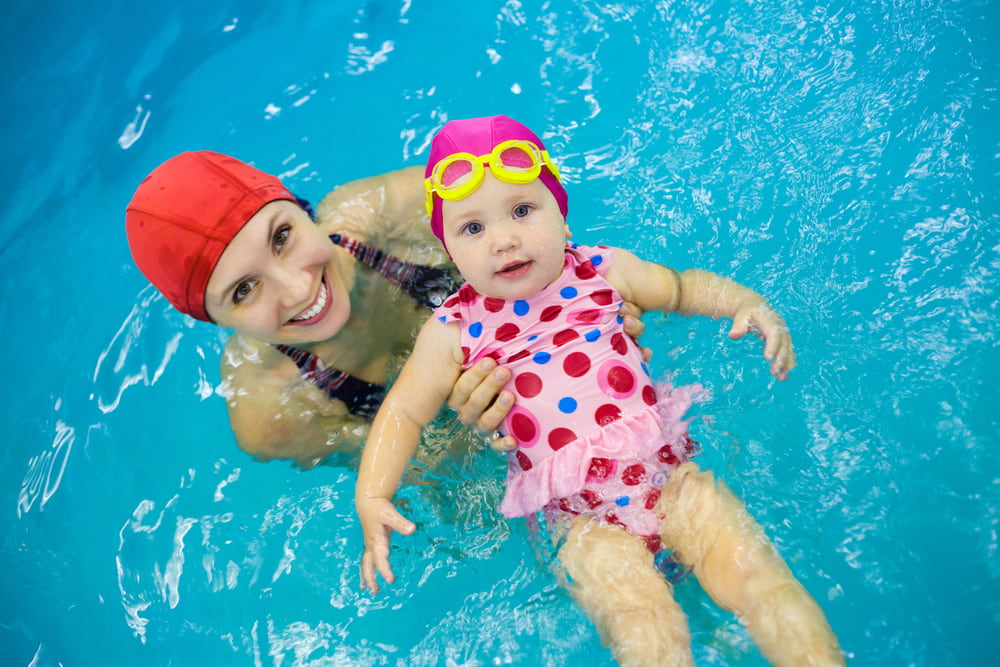
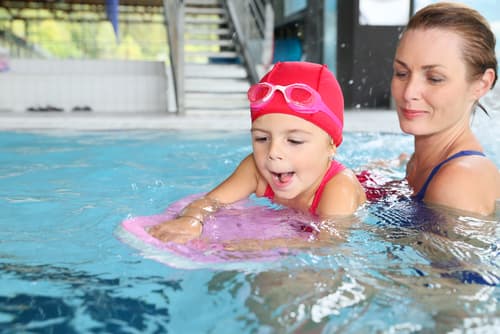
Learning to swim takes a lot of time and patience. Beginners, especially children, need a gentle, understanding approach to foster confidence and strength in the water. So, if your toddler has never taken any swim lessons, experienced instructors from San Diego recommend taking parent-tot classes in which your kid will feel secure by your side while learning to relax in the water.

But if you have a preschooler (3-5), experts advise signing up for Level 1 classes, as they’re specially devised to introduce your little ones to the world of water activities in a fun and safe way. Would you like to learn more? The guide below lists everything your kids will learn in Level 1 while having a wonderful time. Keep reading to find out more!

What are the skills of a Level 1 swimmer?

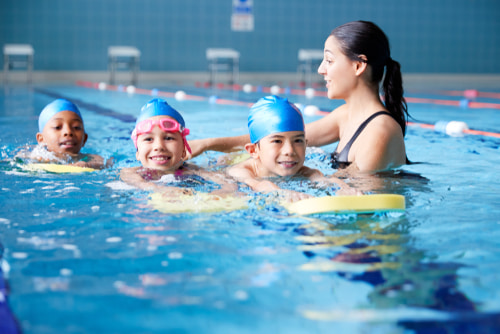
Level 1 swimmer classes are intended for kids aged 3-5. The course focuses on enabling them to become relaxed and comfortable in the water. On top of that, children will be introduced to fundamental water skills and essential water safety rules.

Essential skills for a Level 1 swimmer include the following:

1. Entering and exiting the water safely and confidently

Experienced instructors will help kids practice getting in and out of the water to help them eliminate any fear and be completely aware of potential hazards.

2. Submerging the head and retrieving objects

At this level, children are also encouraged to submerge their heads in the water to become comfortable with going underwater and picking up objects from the shallow pool steps. Since some kids of this age don’t like getting their faces wet, this exercise will help them combat the fear and build a solid foundation for mastering the skill.

3. Fundamental water movements

Students will also practice basic water movements including monkey crawl, monkey roll, front float, back float, etc. Here’s a short overview:

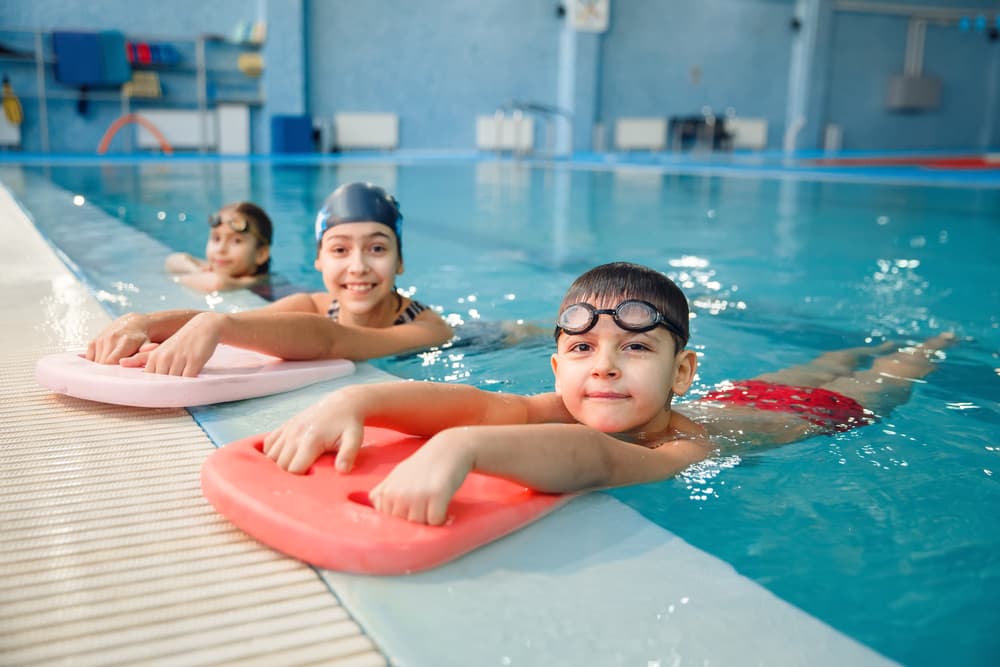
  • Monkey crawls are a crucial water safety skill. Students practice moving along the pool edge using the pool wall for support. This exercise will teach them to stay calm if they accidentally fall into the water. They’ll also understand the wall is where they can get out of water. Finally, this strengthens their upper body as they need to hold onto their hands.
  • Monkey rolls are another significant water skill. Kids at this level will practice rotating in the water with support to learn to relax while moving in the water.
  • Front float and back floats are essential life-saving skills. Kids will learn to float on their stomachs and back with the instructor’s assistance.
  • Front glide and back glide are the foundation for swimming movements. Children will learn to glide on the front and the back without support for a few feet.

4. Introduction to fundamental swimming movements

Children will practice basic arm and leg movements, including supported front and back swimming. They’ll be introduced to monkey-tree-banana, an introductory stroke sequence designed to develop comfort and basic skills in the water.

5. Survival swimming and water safety

During Level 1 classes, students will acquire essential water safety tips to ensure they feel and stay safe in and around the water.

6. Preparing for the next level: Level 1 Swimmer exit requirements

At the end of Level 1, students will be ready to advance to Level 2 if they’ve mastered a few basic skills independently. They must be able to:

  • Float independently on their front and back for 5 seconds.
  • Glide independently for 5 feet on both their front and back.
  • Swim 5 feet using arms and kicking, both on their front (with face in water) and back, while supported
Where can my toddler take swim lessons in San Diego?

If you’re unsure what swim level your kid is and have no idea how to get them ready for a swim lesson, you’ve come to the right place. Plunge San Diego’s experienced instructors are there to help your children acquire this life-saving skill in a fun and safe way.

Our lessons are devised with a lot of care and love and your kid will feel secure and entertained. They’ll progress at their own pace with the constant support of the leading professionals in San Diego and beyond. Visit us today and let your kid’s swimming adventure begin!
Full Guide to Swim Levels 1 to 6

Swimming is crucial for your children’s health and well-being. It doesn’t just shape their bodies, making them stronger, but also increases their safety, confidence, and fun in water. So what is the best way for your kid to learn to swim? By having them take well-thought-out classes, of course! This way, your kids will receive all the necessary support, leaving little room for developing discomfort or phobias.

That’s why professionals have designed 6 levels suitable for kids of different ages and abilities. So, if you want your infant to have swim lessons in San Diego, check out the article below to see what level suits them. Read on!

What are different swimming levels?

Children can progress through various levels tailored to meet their abilities, from the basics of water comfort to refining strokes and techniques. Here’s a breakdown of the 6 levels:

1. Bush Babies (Level 1)

Bush Babies swimming classes are intended for children aged 3-5 who need to get more comfortable in the water.  Since kids are just learning to relax and have no experience in swimming, classes are held on the steps in the shallow end of the pool. Some of the Level 1 learning objectives are:

  • Getting into/out of the water safely, 
  • Submerging heads without too much hesitation, 
  • Retrieving objects,
  • Monkey crawl, 
  • Supported monkey rolls, 
  • Front float with appropriate support, 
  • Front glide independent and back float supported, 
  • Back glide independent, 
  • Introduction to locomotive skills,
  • Learning basic backstroke (Monkey – Tree – Banana), 
  • Learning survival swimming,
  • Understanding water safety rules.

2. Tamarins (Level 2)

This level is for kids aged 5-7 who should acquire supported swimming skills. The Tamarins learning objectives include:

  • Entering and exiting the water safely,
  • Retrieving objects, 
  • Submerging head sustained, 
  • Monkey crawl, 
  • Monkey rolls, 
  • Front float independent, 
  • Front glide independent, 
  • Front crawl supported, 
  • Back float independent, 
  • Back glide independent, 
  • Back crawl supported, 
  • Basic backstroke (Monkey – Tree – Banana), 
  • Survival swimming, 
  • Underwater swimming, 
  • Essential water safety.

3. Spider monkeys (Level 3)

Spider monkey level is recommended for 6-8-year-olds who should develop independent swimming skills. Classes are at the shallow end (3-4 feet of water) of the pool. The learning objectives are the following:

  • Entering/exiting the pool safely, 
  • Retrieving a sunk object, 
  • Submerging head completely, 
  • Front float independent,
  • Front glide independent,
  • Front crawl independent, 
  • Back float independent, 
  • Back glide independent,
  • Back crawl independent,
  • Basic backstroke (Monkey – Tree – Banana),
  • Swimming underwater,
  • Introduction to breaststroke and water treading,
  • Mastering water safety rules.

4. Chimpanzees (Level 4 – independent progression)

Level 4 classes are for kids who need to develop independent swimming skills in 3-6 feet of water. They’ll work on achieving the following objectives:

  • Submerging head completely, 
  • Retrieving a sunk object, 
  • Front float independent,
  • Front glide independent,
  • Front crawl independent,
  • Back float independent,
  • Back glide independent,
  • Back crawl independent,
  • Elementary backstroke (Monkey – Tree – Banana),
  • Introduction to side stroke and streamline underwater swimming, 
  • Independent water treading,
  • Introduction to kick varieties, diving, and breaststroke,
  • Water safety.

5. Baboons (Level 5 – advanced swimming)

Level 5 (Baboons) is intended for advanced swimmers who want to polish their skills. It’s recommended for children aged 9-12 years old. Classes are held in 5-6 feet of water. This level’s objectives include: 

  • Retrieving sunken objects, 
  • Front crawl, 
  • Back crawl, 
  • Side stroke, 
  • Breaststroke, 
  • Water treading,
  • Diving, 
  • Introduction to butterfly, flip turns, and using swim equipment, 
  • Water safety.

6. Gorillas (Level 6 – endurance swimming)

Level 6 is for advanced students aged 9-12 who want to develop their endurance swimming skills. Lessons are held in 5-6 feet of water. Gorillas’ learning objectives are: 

  • Front crawl, 
  • Back crawl, 
  • Elementary backstroke, 
  • Side stroke, 
  • Underwater glide, 
  • Breaststroke, 
  • Butterfly, 
  • Water treading, 
  • Dives and starts, 
  • Water safety.

Infant classes (with a guardian)

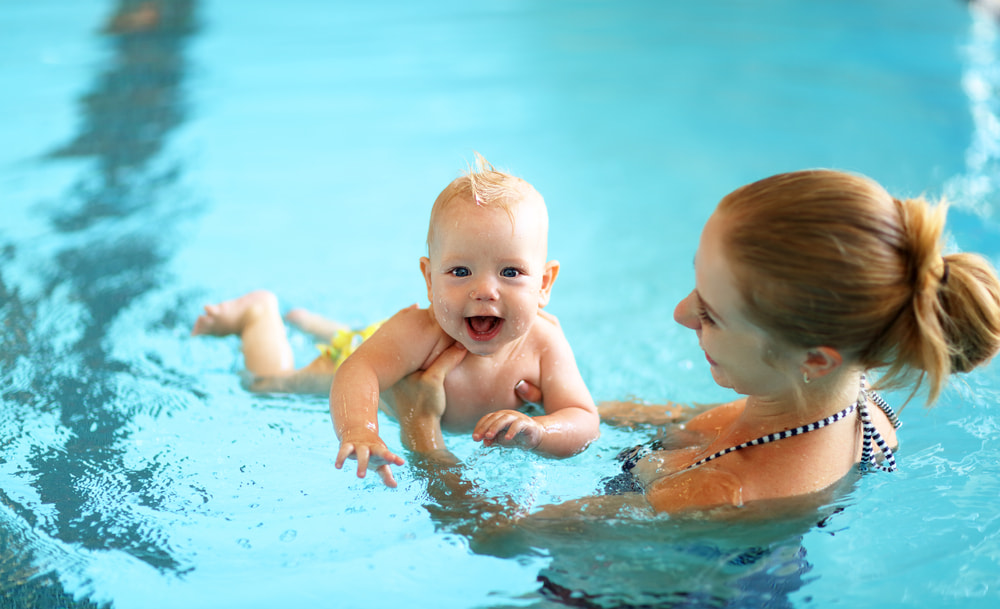
In addition to the above levels suitable for preschoolers and older kids, there are also parent and kid classes specially designed for babies and toddlers (6-36 months old). These lessons are developed to help your infants relax in the water through numerous fun water activities and acquire essential water safety skills. 

These lessons take place in the shallow end of the pool. Since the students are too young to attend classes without supervision, one guardian should be present. The learning objectives of these classes are to enable children to feel comfortable and enjoy their time in the water. 

Where can my infant take swim lessons in San Diego?

Choosing the right place and swim instructors is crucial for your kid’s attitude towards water and swimming. Here at Plunge San Diego, we pay special attention to children’s sensitivities, and our classes and levels are tailored to resonate with every child’s personality.

Drop by on your way to Giant Dipper and let top swimming professionals introduce your kid to the world of swimming and help them get ready for it. We’re waiting for you!

6 Activities to Cheer You Up on a Rainy Day in San Diego

Since rainy days are considered a rarity in San Diego for a large part of the year, they offer a perfect opportunity to visit some of the numerous indoor venues that offer fun and refreshing experiences. Nicknamed City in Motion, this metropolis doesn’t stand still no matter what Mother Nature throws at it. While some may view wet weather as a spoiler to their outdoor plans, there are plenty of rainy day activities in San Diego that can bring joy to one’s heart.

We are not about to let a little bit of precipitation steal your thunder so let’s take a look at 6 rainy day activity ideas that can keep you entertained when the weather takes a turn. Whether you’re looking for a nice place where you can have a few laughs with your friends, check out the local artistic scene, immerse yourself in cooperative problem-solving, or enjoy a soothing swim in one of the city’s oldest landmarks, the jewel of Southern California is surely not going to disappoint. 

How we can enjoy a rainy day?

It’s certainly true that most of us prefer sunny weather to a bad patch of weather, but there are still a lot of things to do on a rainy day in San Diego. The whole point is not to get too down and dwell too much on our damp and cloudy predicament and dive into activities that we might miss out on otherwise. From finding an intimate café where we can enjoy a good book or have fun with our friends to more animating environments like a craft brewery or a challenging escape room experience, in a big and bustling urban jungle you’ll find fun in every corner of the city. 

How do I spend my rainy day in San Diego?

If you’ve wanted to do some workout but the rain has put a damper on your plans, you can always embrace your inner outdoor adventurer, dress appropriately, go for a walk down the Ocean Beach Pier or Mission Beach Boardwalk, and embrace the rain face-to-face. If walking or running in a downpour is not one of your favorite rainy day activity ideas, here are 6 snug indoor options that can lift your spirits.How do I spend my rainy day in San Diego

1. Take the Plunge

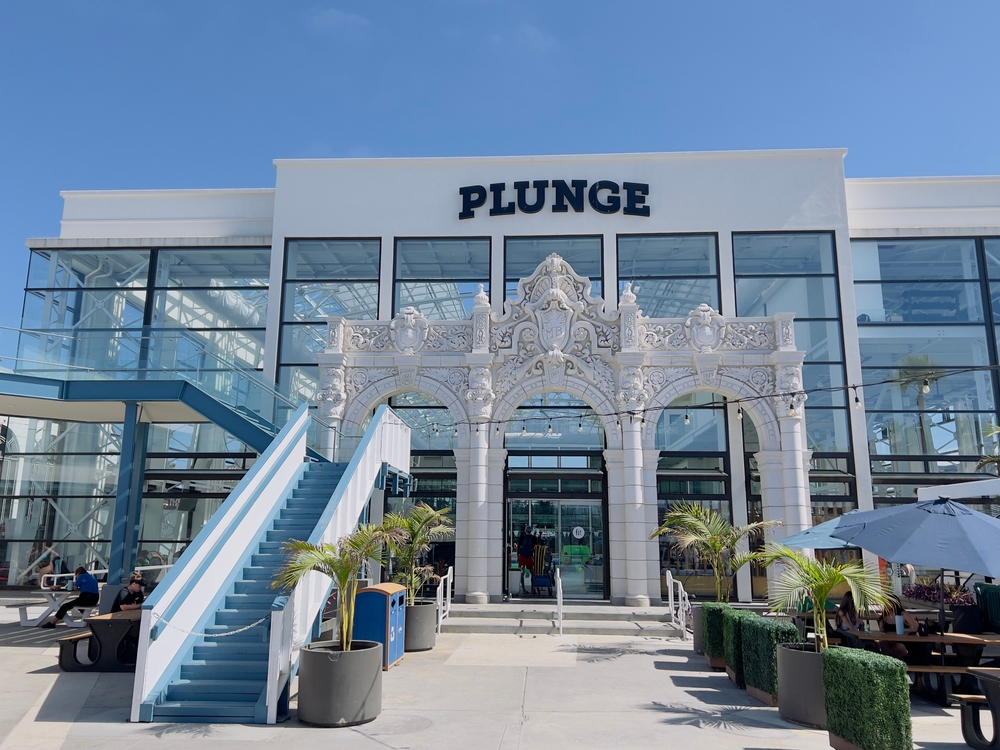
As one of the city’s most recognizable historical landmarks, The Plunge is located inside a restored modern masterpiece of engineering and design. This iconic swimmers paradise, originally built almost 100 years ago, was the largest saltwater pool in the world when it opened.

With floor-to-ceiling glass windows and an amazing list of amenities, The Plunge is the perfect place to stay active while the raindrops are falling, keep your kids entertained during the rain, bring your date for a splash or a relaxing sauna, and enjoy everything that this all-in-one fitness club has to offer during stormy weather. If all you want to do is hit the beach, soak your skin, or do some quality water workout, there is no reason to let the rain stop you. When it’s raining all around you, it’s the perfect time to take the plunge!

2. Step into Mission Valley Cinemas

Few things pair better with rainy weather than stepping into the darkness and treating yourself to a good movie. If the weather has conspired to spoil your plans, head to one of San Diego’s state-of-the-art projection venues and lose yourself in the latest cinema offering. If you’re looking for the latest blockbuster, IMAX, Dolby, and sensory-friendly experience, choose AMC Mission Valley. 

On the other hand, if you’re looking for something a bit more low-key, like an arthouse drama or an indie feature, you should try Angelika Film Center in Carmel Mountain. Whatever you choose in the end, don’t forget the popcorn!

3. Get your brain working in an escape room

If you’re looking for a thrill but cinema isn’t your thing, San Diego’s escape rooms provide an exciting challenge for people of all ages and interests. Escape rooms, also known as puzzle or riddle rooms, are a great source of interactive and dynamic fun, whether you choose to bring your friends or go with the family. 

Some of the most popular options in San Diego include The Unlockables, Escapology, and The Great Room Escape. Each offers uniquely themed rooms that test your problem-solving skills, making it a fantastic social indoor activity when the weather just won’t cooperate.

4. Indoor breweries & tasting rooms

With craft beers enjoying a spot in the limelight for the last few years, San Diego stands tall as their leading light. Known as the Capital of Craft, the city boasts more than 150 independent craft producers brewing all types of beers, from stouts and lagers to tripels and famous San Diego-style IPAs. With so many artisanal producers scattered throughout the city, it’s not easy to decide on one place, so it may be smart to hop from one brewery to another. 

Just remember to take a cab and not try to drive on your own. Rainy weather is the perfect excuse to sample local brews at spots like Ballast Point Brewing, Stone Brewing World Bistro & Gardens, or Modern Times. Sit back, relax, and enjoy bitter, citrusy, and floral aromas while the rain taps against the windows.

5. Cozy cafés

If beer isn’t your drink of choice, you’re not into alcoholic beverages, or the rainy weather makes you crave something hot and comforting, San Diego is home to numerous charming cafés where you can relax and watch the rain dance on the windows while you’re enjoying the warm and cuddly feel of a neighborhood café. 

Communal Coffee in North Park, James Coffee Co. in Little Italy, and Lofty Coffee in Encinitas are just some of the cozy corners where you can savor excellent coffee and chat with your entourage or relax with a good read. Some rainy days call for a comforting ambiance and a warm drink, and you can always count on the city known as The Birthplace of California to duly deliver.

6. Explore the local libraries

Speaking of relaxing with a good book, San Diego’s libraries are so much more than just places to satisfy your literature cravings. They’re community hubs with events, workshops, and cozy reading nooks where you can meet like-minded people and quench your thirst for all things books. 

If visiting a library sounds like one of the most fun things to do on a rainy day in San Diego, make sure to stop by The San Diego Central Library. With its striking architecture and rooftop views, it is a great spot to curl up with a book but also to explore its rich art and culture exhibition gallery inside.rainy day activities in San Diego, CA

Where can I find some of the most exciting rainy day activities in San Diego, CA? 

Sometimes, the best thing to do on a rainy day is to push through and not let the weather dictate your daily rhythm or mood. Whether you feel like lounging in a calming atmosphere while looking at the ocean unperturbed by the rain or want to get the blood pumping and feel the adrenalin rush with a full-body workout followed by a few laps in the pool, The Plunge is the perfect place to keep you active and chase away the blues that come with a rainy day. Don’t let rain hold you back, stop by the Plunge and come and test our waters!

Top 6 Things to Do in San Diego When It Rains

San Diego is known for its sunny beaches and perfect weather, but what happens when rain clouds start rolling in? While outside of an occasional rainstorm San Diego sees very little rainfall from April to October, the period from November to March is considered the city’s rainy season. Luckily, besides sand, waves, and Sun, the city called Birthplace of California is a diverse, multicultural, urban hub that offers numerous fun activities to do in the rain.

From world-class museums and memorable landmarks to family-friendly attractions and a diverse cultural landscape that reflects the city’s rich cosmopolitan mix, America’s Finest City isn’t short on entertaining and healthy indoor adventures. Whether you’re a local looking to shake off your blues and escape the stubborn drizzle or an animated visitor determined to make the most of your stay, this guide highlights the best ways to enjoy rain activities in San Diego.

Where can I go on a rainy day in San Diego?

If you’ve wanted to explore the city’s beaches and parks but the rain has dampened your outdoor plans, don’t get too under the weather. San Diego has plenty of indoor attractions that can step up to the plate and ensure that you enjoy an unforgettable day. In fact, the list of fun things to do is so long you may start wishing for the rain to last a day or two longer. Here are some of the best places to explore:Where can I go on a rainy day in San Diego

1. Balboa Park’s museums

Balboa Park is the city’s 1,200-acre historic cultural hub that houses 18 museums, many of which are perfect for a rainy day. The San Diego Natural History Museum (The Nat) offers fascinating exhibits on local wildlife and paleontology, while the Fleet Science Center features interactive science exhibits, a planetarium, and an IMAX theater to thrill kids and adults alike.

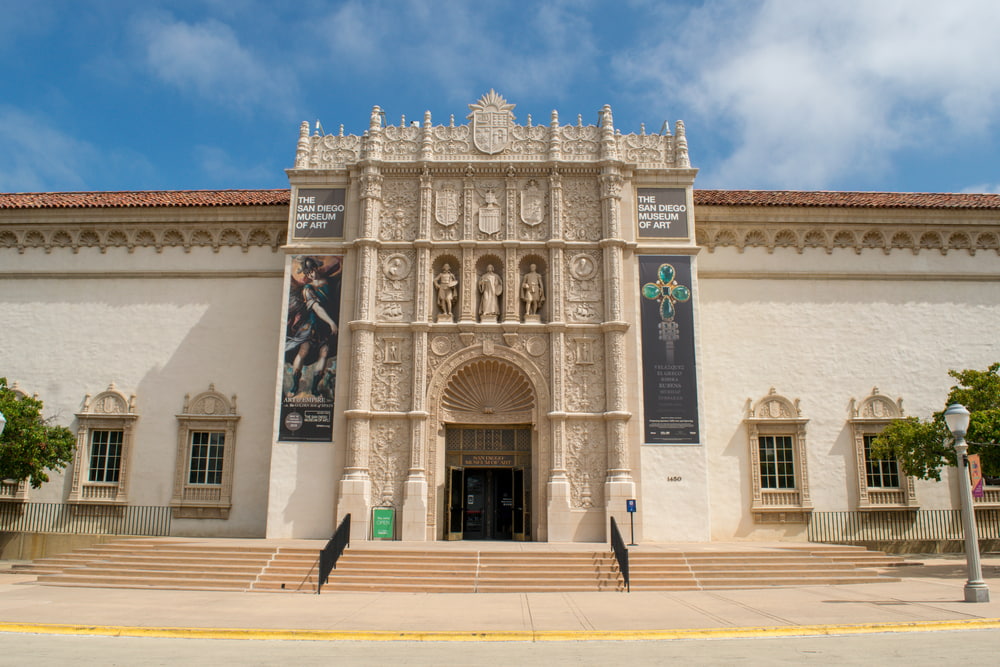
Art lovers will appreciate the San Diego Museum of Art or the Timken Museum of Art, where stunning collections span centuries and continents. With so many options to explore and plenty of hands-on activities for the little ones, you could easily spend an entire day in Balboa Park hopping from one museum to the next.

2. The USS Midway Museum

Staying on the museum circuit, we move on to one of the most popular exhibition spaces in the city. Rain or shine, the USS Midway Museum is truly an iconic San Diego experience. With a large collection of aircraft and a virtual reality flight simulator, this massive carrier-turned-museum offers a unique peek into naval history. 

Wander through the ship’s decks, primary flight control, and pilots’ ready rooms while listening to captivating audio tours narrated by former crew members. The indoor exhibits, offering both education and adventure, make it a fantastic choice for fun activities in the rain in San Diego. If it looks like the bad weather may persist for a few more days, you can even sign up your kid for their overnight program.

3. The Birch Aquarium at Scripps

Perched above La Jolla, the Birch Aquarium at Scripps combines stunning views (even on a cloudy day) with engaging exhibits about marine life and oceanography. With more than 660,000 liters of seawater in more than 60 display tanks inhabited by a dazzling array of Pacific fishes and invertebrates, the aquarium is home to more than 3,000 animals. 

Explore vibrant coral reefs, learn about cutting-edge research in marine conservation, or marvel at the interactive tide pool displays. Its cozy indoor spaces make it a peaceful retreat during rainy weather.

4. The Plunge San Diego

Housed inside a Spanish Renaissance-style building built in 1925, the historic Plunge Pool was the largest saltwater pool in the world. When it converted to fresh water in 1940, The Plunge stayed true to its illustrious pedigree as the largest heated pool in Southern California. Recently renovated, it stands today as the favorite all-in-one fitness club and swimming pool in the wider San Diego area. Located right next to the ocean, it features floor-to-ceiling windows that provide stunning panoramic views while you’re working out. 

With affordable meals and drinks options, ADA lifts, swimming equipment including lifejackets, exercise belts, kickboards, noodles, and water weights, a dry sauna, a top-notch fitness area, and an inflatable obstacle course for the little ones, The Plunge offers everything you need to spend an enjoyable day while it’s raining outside. Relax or work out to the max at the Plunge, the choice is yours.

5. Liberty Public Market

If you’re running a bit low on energy or lunchtime has arrived, Liberty Public Market in Point Loma offers a delightful culinary escape from the rain. While the market features a beautiful outdoor garden area, the real cornucopia of flavors is to be found inside. 

For foodies who like to mingle with local vendors and artisans while tasting their culinary offerings, the market is a one-of-a-kind place offering one of the best rain activities in San Diego in a relaxed atmosphere and a real explosion of taste for your palate. With everything from fresh seafood and artisan tacos to gourmet desserts and craft beer, there is plenty to enjoy in this vibrant indoor space.

6. Bustling theaters & performing arts venues

A rainy day provides the perfect excuse to indulge in live entertainment. If you don’t feel like walking or you want to get away from the gloomy skies, step into the dark and immerse yourself in the magical world of acting, storytelling, and staged arts. Depending on where you’re located in the city, you can try The Old Globe Theatre in Balboa Park for high-class performances ranging from Shakespearean classics to modern theater and contemporary plays. 

If it’s the evening and you feel like having a few laughs with your friends, check out a comedy show at the American Comedy Co. Or how about some music? Head to the San Diego Symphony and try to find a ticket for a virtuoso performance of classical music repertoire.fun activities to do in the rain in San Diego

Looking for fun activities to do in the rain in San Diego?

If you’re looking for some cheer on a rainy day, want to escape the wet weather with your family, or would like to surprise your partner with a sporty date while it’s drizzling, The Plunge is a perfect place to hide from the raindrops. Whether it’s an inflatable obstacle course for the little ones, a fully-stacked fitness area perfect for an intense workout, or a cedar wood dry sauna ideal for sore muscles, hypertension, and stress, The Plunge won’t let precipitation spoil your day!

8 Things You Need to Pack for Your Kids’ Swim Lesson

Signing your kids up for swimming lessons in San Diego is probably the best decision you can make for them. The classes will be fun, they’ll learn a lot about a healthy lifestyle, and most importantly, they’ll acquire an essential life-saving skill. However, they cannot show up unprepared for the class.

Getting your child ready for the session is key to helping them have a pleasant and safe experience. But what does your kid need? To find out the answer, check the article below as we list all the swim lesson essentials. Read on!

What does a beginner swimmer need?

Proper gear is crucial for an enjoyable and comfortable experience during swim lessons. Here is what your kid will need:

1. Swimsuit

Appropriate swimwear is the first thing you need to pack for your child’s swim lesson. Buy a comfortable fit to enable your kid to move freely in the water without the suit bunching up or slipping. Here are some general guidelines:

  • A one-piece swimsuit is perfect for girls. It stays in place during sessions and won’t cause any discomfort. Avoid baggy swimwear as it can cause drag.
  • Swim jammers or trunks are great for boys. However, you need to ensure they aren’t loose-fitting, as excess material can add extra weight and pull them down.
  • If your toddler still wears diapers, they need swim diapers specially designed for swimming.

2. Towel

Pack a large highly absorbent towel so your kids can dry easily after the lesson. Another option is a hooded towel. It can keep your kid’s head warm after getting out of the pool. Extra tip: You can pack two towels in case your kid gets their hair wet or needs to use a towel a few times.kids take swimming lessons in San Diego

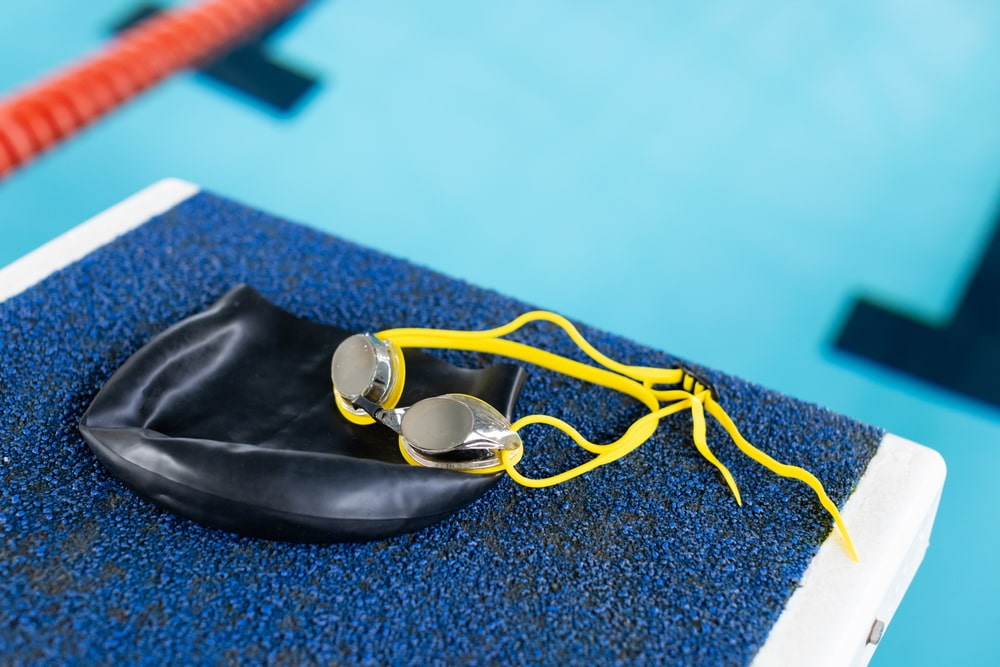
3. Goggles

Goggles protect your kid’s eyes especially while learning to swim underwater. Pool water is heavily chlorinated and swimming without any protection can cause discomfort. Goggles can also help your kids feel at ease while putting their faces in the water.

How to pick goggles:

  • Buy goggles with adjustable straps.
  • Ensure they fit snugly but comfortably.

4. Swim Cap

A swim cap is ideal for children with long hair since it prevents it from getting tangled, covering their faces, and falling out. Kids with short hair find it useful too as it makes them feel comfortable and reduces drag. The best option is a silicone swim cap as it’s extremely durable and stretches easily over hair.

5. Comfortable water shoes

Your kid will also need a pair of comfy water shoes or flip-flops when walking from the locker room to the pool. Also, poolside areas get slippery and unsafe so adequate footwear can protect your kid from slipping and getting injured. 

6. Plastic bags for wet items

After the lesson, your kid’s swim gear will be wet. That’s why a plastic bag may come in handy. Your kid can put all wet items, including their swimsuit, footwear, towels, swim caps, and goggles. A better option is a waterproof bag. It’s bigger and can help your kid separate all the wet things from their dry clothes.

7. Water bottle (optionally snacks)

Swim lessons can be pretty exhausting, so your kid will probably be hungry or thirsty afterward. Ensure they stay energy-rich by packing healthy snacks, such as fruits, crackers, or granola bars. Water is also essential to keep them hydrated, so pack one bottle as well.

8. Comfort items (for the youngest)

If your kids feel a bit nervous about their first swim lesson, you can pack their favorite toy or a blanket to make them feel more confident and secure.What does a beginner swimmer need

Where can my kids take swimming lessons in San Diego? 

Does your kid have no experience in swimming? Are you looking for the best place for your children to learn to swim in San Diego? Plunge San Diego offers fabulous classes for children of all levels

With our top instructors at their side, your kids will easily overcome any obstacles, learn essential swimming skills in no time, and have a great time. Visit us on your way to Mission Beach and let’s commence our swimming journey!

How to Determine Your Toddler’s Swim Level

Everyone agrees that the earlier your child starts learning to swim, the easier it’ll be for them to feel comfortable and confident in the water. But how can you be sure your toddler is ready to learn this life-changing skill?

Starting too early or pushing your baby too much can be counterproductive and lead to phobias that can transform their lives completely. Toddlers make progress at their own pace so it’s crucial to determine their swim level before enrolling them in any private swim lessons in San Diego. If you’re unsure how to assess their swimming abilities, read the article below to find out!

How to assess swimming ability?

Understanding your kids’ swimming ability is essential to help them improve their skills and confidence in the water. Here is how you can do it:

1. How comfortable are they in the water?

Does your toddler enjoy splashing around in the water or do you always have to convince them to get their feet wet? If your little one feels at ease in a pool and can float when supported by your hands or a floatation device, they’re probably ready to engage in swimming activities confidently.

But if your kid doesn’t play happily in the water, you should start with simple activities, such as getting accustomed to being in a pool.How to assess swimming ability

2. How do they move in the water?

If your toddler enjoys being in the water, you can test how they can move in it to gauge their readiness to swim. Here is how:

  • Does your kid kick their legs in the water when holding onto one side of the pool? If they do, this means they comprehend how to move and propel themselves in the water. 
  • Ask your kid to put their face in the water and blow bubbles. This simple activity indicates your kids have control over breathing, a crucial skill while swimming.
  • If your toddler can splash with their arms while floating or sitting in the water, they’re ready to practice coordination while swimming. 

3. Can your kid float?

Floating is a vital water safety skill since it’s the most efficient way to breathe and rest. To evaluate it, try the following:

  • Let your toddler rest on your hands and guide them to float on their backs. If your kids can relax in this position or even float without your support for a few seconds, this means they’re comfortable in the water.
  • Place your kid on their stomach to see if they can extend their arms and body.

4. How independent is your kid in the water?

Constant supervision is necessary when toddlers are in the water, but you need to find a way to support your kid’s wish to explore the water independently. Within your arm’s reach let your kid explore on their own. Observe the following:

  • Can your little one crawl or walk in the shallow water without your help or fear?
  • Does your kid enjoy jumping in the water while you hold them?
  • Some toddlers will naturally try to move their arms and legs in a paddling motion. This indicates that they’re ready to start learning fundamental swim strokes.

5. Do you see any signs of fear or resistance?

Make sure not to be too pushy. Many children can be afraid of water. So if your kid cries, or shows resistance to enter the pool, float with your hands under their bodies, or get their faces wet, this indicates they’re not ready to work on their swimming skills. In this case, encourage your kids to take part in gentle water play and gradually develop trust before moving on to more demanding swim lessons.

6. Rely on professionals

Even though you may know your toddler and their abilities best, professional help can be indispensable in determining your kids’ swimming skills. These highly qualified instructors use a systematic approach to pinpoint and enhance your kids’ swimming skills. 

Swimming lessons are categorized into numerous levels. They focus on children’s feeling of comfort in the pool, teach them elementary safety skills (treading water or floating), and introduce basic swim strokes. On top of that, for the youngest ones, parents’ presence is mandatory. This helps toddlers feel secure while acquiring new skills.

book private swim lessons in San Diego

Where can I book private swim lessons in San Diego?

If you want your kids to learn to swim this fall in San Diego, Plunge San Diego is the place to go. Our experienced instructors will assess your child’s swimming abilities and help your child learn to swim in a fun and relaxing way in one of the most beautiful swimming pools in the area. We’ll help you get your kid ready for the session and have an experience of their lifetime. Drop by today. We are waiting for you!

8 Items You Should Never Take to an Open Swim

Public pools are a fabulous place to relax, have quality time with your family or friends, and exercise. However, swimming in pools comes with a certain amount of responsibility for maintaining hygiene and safety. Every visitor needs to abide by strict rules of behavior and pay attention to what they bring to the pool.

So if you’re from San Diego and planning to go for an open swim near you, here is a brief guide that lists what you should never put in a public pool. This way, you’ll make sure it stays healthy and enjoyable for all visitors. Keep reading to find out more!

What not to put in a pool?

It’s true that public pools are regularly chlorinated to combat bacteria and debris. However, it’s up to all visitors to minimize potential contaminants.

That being said, take a look at 8 things that should never come in contact with pool water:

1. Personal care products 

Body oils or lotions can lower water quality. These products may create a greasy film on the surface of the pool, clog filters, and decrease the chlorine effectiveness, resulting in unclear water that can cause eye or skin irritation.

2. Food and drinks

Snacks and beverages dropped into the pool water can affect its quality, which, if ingested, can pose serious health risks. Sugary drinks are particularly dangerous around the deck. If spilled on it, they can make it sticky or slippery and pose a safety threat. 

3. Glass items

Glass is one of the most hazardous objects you can bring to a public swimming pool. Any glass container will shatter into hundreds of tiny pieces if dropped onto a hard surface. These shreds of glass can cause severe injuries as they’re almost impossible to notice and clean up in crowded places such as pools.

4. Adhesive bandages and plasters

If you wear adhesive bandages or plasters, they’ll come off in the pool, float in the water, disturb other swimmers, and even clog pool filters. Additionally, if you have an open wound covered with an adhesive bandage, you should stay out of the water until your wound has healed completely. This will prevent infections or pool water contamination.

5. Chewing gum

Chewing gum is also undesirable in and around the pool. If you drop it in the water, it may clog the pool filters, get stuck on the pool floor, or even get entangled in another person’s hair or swimsuit. Chewing gum while swimming is also a choking hazard, especially for children.

6. Toys and large inflatables

Oversized toys or inflatables shouldn’t be used in pool areas for two reasons. They take up too much space and get in the way of other swimmers. They also limit visibility, disabling lifeguards to see you and other visitors properly. On the other hand, small toys can clog the pool’s drainage system or even pose a tripping hazard.

7. Non-swimwear clothing

Wearing denim, cotton, or other non-swimwear clothes isn’t allowed in a public pool. Non-swimwear fabrics absorb water easily, limit your movability, increase the drag, and may be unhygienic. Some fabrics, like cotton, shed tiny fibers that can hinder the efficiency of the pool’s filtration system. They’ll also contaminate water by releasing detergent residue. That is why you should always opt for swimwear made of spandex, nylon, or other pool-safe materials

san diego open swim near me

Where in San Diego can I open swim near me?

Would you like to enjoy an open swim in San Diego, but are not sure where to go? Looking for an indoor swimming pool where you’ll have a pleasant afternoon with your family? Then come to The Plunge San Diego, located near Mission Beach. Our experienced staff is there to help you unwind and have fun. Visit us today!

10 Things You Should Never Do in a Public Pool

Public pools are meant to be fun, but this doesn’t mean visitors can do whatever they wish, especially if their actions could jeopardize others or ruin their day at the pool. There are a number of rules to be followed. These rules are designed to ensure hygiene, safety, and complete enjoyment for all swimmers.

If you want to enjoy the last days of summer at one of the most popular public pools in San Diego, so you can open swim and relax there, you should familiarize yourself with public pool etiquette. If you’re not sure what it entails, start by reading about 10 things you should never do in a public pool.

What is forbidden in a swimming pool?

Pools are a hub of entertainment, relaxation, and exercise. However, they can easily turn into a nightmare if people behave recklessly. To ensure everyone is safe and satisfied, all visitors should respect these 10 rules:

1. No running and rough play

There are a lot of slippery surfaces around pools, so no running is rule number one. Additionally, pushing, shoving, and horseplay are forbidden to prevent serious injuries. 

2. No diving in shallow areas

Diving in shallow areas is also strictly prohibited as it can lead to life-threatening injuries, including head trauma, and spinal cord and neck injuries.

3. No glass containers

Glasses, glass bottles, or other glass containers aren’t allowed in the pool areas. If you accidentally break them near the pool, the shattered pieces can hurt other swimmers. On top of that, it’s challenging to clean up the mess with so many people around. 

4. Keep your food and drinks outside the pool

There are rigorous policies against drinking and eating in certain spots, especially around the water. Food particles and sugary drinks can cause contamination of the pool water.

5. Don’t drink alcohol

Enjoying alcohol or consuming drugs is strictly prohibited in public pools. These substances can impair your judgment and motor skills, increasing the likelihood of injury or drowning.

6. No smoking 

Pools create a smoke-free environment that promotes a healthy lifestyle. That’s why smoking is banned at public pools, as it can adversely affect other people, particularly children. Also, cigarette butts create unnecessary litter.

7.  Inappropriate clothing is strictly forbidden

Visitors should adhere to guidelines about proper swimwear as well. Public pools prohibit clothing such as streetwear, jeans, and cotton garments. These items can adversely damage the pool’s filtration system, can be unhygienic, and limit swimmers’ movability. Instead, people should wear swimsuits made from pool-safe materials, including nylon and spandex.

8. Don’t take your pets to the pool

Pools are intended for people. Animal waste or fur can affect water quality significantly and make it unsafe for other users. That’s why public pools don’t allow pets. Additionally, your furry friends can disturb other people at the pool.

9. If you have an open wound or feel sick, stay away from the pool

If have any health issues that can endanger other people (contagious diseases, skin conditions, open wounds, etc.) you can’t swim in a public pool. This is to stop the spread of infections or worsen your condition.

10. Don’t disturb other swimmers

Pools are shared spaces where people come to unwind and have some fun. Adhering to the rules and respecting other pool visitors help maintain a peaceful and pleasant environment. That being said, there is no tolerance for inappropriate or disruptive behavior, including excessive noise, harassment, or profanity. 

san diego open swim

Where in San Diego can I open swim?

If you’re looking for a safe and clean pool in San Diego to relax or exercise, you’ve come to the right place. Here at The Plunge San Diego, our top priority is our visitors and their satisfaction. Our pool meets the strictest hygiene standards and our swimming instructors and service staff are highly qualified and experienced.

We also do our best to help you create memorable moments. What about lounging in a sauna? Or testing your balance on an inflatable obstacle course? You can enjoy all that with an astonishing view of the Pacific Ocean. So, what are you waiting for? Come and have a blast! 

Public Pool Dress Code, Pt.2: Allowed Clothing

Swimming in public pools is one of the best ways to refresh yourself during hot summer days. However, you can’t go there unprepared. There is a strict dress code to be followed and it’s not only a matter of aesthetics but your safety as well

So if you ask yourself, “What can I wear when I open swim near me to cool down?” take a look at the following article, which lists clothing items appropriate for swimming. Keep reading to find out what they are!

What can you wear in a public swimming pool?

Public swimming pools offer a fantastic opportunity to cool off, exercise, or spend quality time with your loved ones. Wearing the proper clothing will ensure your comfort and safety while respecting the public pool’s rules. In case you’re unsure what clothes are allowed in public swimming pools, check out the following comprehensive guide:

1. Swimsuits

Women usually opt for bikinis or one-piece swimsuits. They stay in place while swimming, offering comfort and necessary support. Another option is a tankini, a two-piece swimsuit with a longer top. It provides more coverage but is as flexible as a bikini.

Swim briefs or trunks are the best options for men. Trunks are made of material that dries quickly and fits perfectly without causing any discomfort. Swim briefs, on the other hand, provide less coverage and are more fitted. They’re perfect for swimmers who prefer minimal drag while swimming.

2. Goggles and swim caps

Goggles are crucial for eye protection against chlorine. They also improve underwater visibility. You just need to ensure they fit well to prevent any water leakage. Swim caps will keep your hair out of your face while swimming and reduce drag. In some public pools, they’re required as they can help keep the pool water hygienic by reducing loose hair.

3. Water shoes and flip-flops

Flip-flops are really easy to slip on and off, making them ideal for strolling around the pool deck. They also reduce the risk of slippage on tiles. Water shoes are an excellent option if you want to alternate between swimming and other activities, such as water sports. They provide better protection and more traction than regular flip-flops.

4. Swim diapers 

If you take little children to the public swimming pool, ensure they have swim diapers on. Unlike regular diapers that swell, leak, or break apart in water, contaminating the pool, swim diapers are designed for pool activities and help prevent accidents.

5. What clothing to avoid 

Cotton isn’t allowed in pools as it absorbs water easily and becomes extremely heavy, slowing you down while swimming. On top of that, it’s prone to shedding fibers which can clog the public pool filters.

Regular diapers are forbidden in the swimming pool as they can pollute the water. 

Wearing jewelry in the pool isn’t recommended as you can lose it easily. It can get stuck in the pool’s filtration system, or lead to injuries.

Loose clothing isn’t allowed in the pool area. It can contaminate the water, drag you down, or even get caught in pool drains or other equipment.

6. Special considerations

If you can’t wear regular swimwear at the pool for religious or cultural reasons, various brands have pool-safe modest swimwear options, such as quick-drying burkinis. Also, if you have some medical conditions, check with the pool staff if waterproof bandages or medical alert bracelets are safe while swimming.

Final word

Familiarize yourself with all the rules of the public swimming pool you want to visit. Some public pools can have some additional guidelines about acceptable attire. Adhering to these rules will help you have an enjoyable, safe, and comfortable time. 

open swim near me

Where can I open swim near me in San Diego? 

If you’re looking for a swimming pool where you can have a blast this summer in San Diego, The Plunge San Diego is the place to go. Enjoy our inflatable obstacle course with your loved ones. Come to take a refreshing dip to beat the heat. Or have an intensive calorie-burning water workout. Our staff is there to help you have an experience of a lifetime! Let’s plunge together!

Public Pool Dress Code, Pt.1: The No-Go Clothing Items

Want to open swim in one of the most famous pools in San Diego? Lounging or swimming in pristine, cool water is one of the most refreshing and enjoyable activities, indeed. However, since public pools are – as their name implies – public spaces, certain rules apply that are designed to keep you and other swimmers safe and comfortable at all times.

Wearing the appropriate clothing when swimming won’t only make your experience more pleasant, but it can also help you avoid exposing yourself to danger. If you aren’t sure what items aren’t suitable for watery adventures, check our guide below. We’ve compiled a list of clothes and fabrics you should avoid while swimming. Read on!

What clothes not to swim in?

As is the case with toys, not all clothes are suitable for swimming. Some fabrics absorb water easily, making it extremely challenging to swim, while others are vulnerable to chlorine or become transparent.  

Here are some facts you should take into consideration before diving in: 

Is it bad to swim in jeans?

You should definitely steer clear of jeans or any other denim clothing while swimming. Once you get it wet, denim becomes really heavy as it absorbs a lot of water. Since it limits your leg movements and puts excess weight on your legs, swimming in jeans can pose a safety risk.

Why is cotton not allowed in a swimming pool?

Cotton isn’t allowed in pools for the following 4 reasons:

  1. When in water for a long time, cotton usually sheds tiny fibers. These particles can clog the pool filters and cause maintenance issues. In the long run, they can damage the pool’s filtration system.
  2. Compared to synthetic materials, cotton absorbs more chlorine which can reduce the effectiveness of the chemical, making it more demanding to maintain water quality.
  3. Cotton clothes can release contaminants, including detergents, oils, and dirt into the pool. These substances can lower the water quality, leading to algae and germ growth.
  4. Like denim, cotton garments absorb water quickly, become heavy, and increase drag. This can make swimming very difficult and tiring, posing a serious safety risk.

Can I wear a bra to the pool?

Even though regular bras resemble swim bras, they aren’t suitable for swimming for these 5 reasons: 

  1. Regular bras aren’t designed for exposure to water, especially chlorinated pool water. Over time, they can degrade and lose their shape and elasticity.
  2. Bras are usually made from materials that absorb water quickly and become uncomfortably heavy when wet, limiting your movability while swimming.
  3. Chlorine and other pool chemicals can destroy the bra fabric and underwire, leading to stretching and rusting.
  4. Bras may provide insufficient coverage and support while swimming. They can also shift and become transparent.
  5. Wearing underwear in the pool can also introduce numerous contaminants that can reduce the water quality and affect overall hygiene.

open swim san diego

Where can I open swim in San Diego?

If you and your family are looking for a pool in America’s Finest City, you’ve come to the right place. The Plunge San Diego provides an incredible opportunity for an open swim and boasts fantastic amenities, including a fabulous inflatable obstacle course for all-day family fun.

On top of that, our pool is located at a historical site overlooking the Pacific Ocean, and we offer swim lessons for all ages and levels, aquatic workouts suitable for people of all physical fitness, and much more. Visit us on your way to Giant Dipper and let our highly qualified staff help you have a blast. We’re waiting for you!

online waiver waiver app electronic waiver digital waiver